

 English
 русский
 España
 Portugal
 عربي
عربيMost betta fish sold in pet stores live only two to four years, and a surprising number of first-time owners lose their fish within the first year. That short window is not a natural limit; it is usually the result of keeping a tropical fish in an environment it was never designed to survive. A betta's potential lifespan is closer to five years, and with consistently good care some individuals reach six or even seven. In short, the average captive betta lifespan is two to five years, with three years as a realistic middle point, and the quality of your setup decides which end of that range you actually experience.
Betta fish (Betta splendens) are native to the warm, slow-moving rice paddies and shallow floodplains of Southeast Asia, where water stays warm year-round and waste is diluted by volume. When you replicate those conditions in a home aquarium, the fish's biology works as intended. When you do not, the clock starts ticking much faster than it should.
Content
What Is the Average Betta Fish Lifespan?
The average betta fish lives about three years in a home aquarium, but the gap between a poorly kept fish and a well-kept fish is enormous. Published estimates range from two to five years, and both ends of that range are real: a fish in an unheated bowl may struggle to reach eighteen months, while a fish in a heated, filtered five-gallon tank frequently celebrates its third birthday.
| Housing situation | Typical lifespan | Main limiting factor |
|---|---|---|
| Unheated bowl or vase, no filtration | 6 to 18 months | Cold water and ammonia buildup suppress immunity and damage organs |
| Small filtered tank without a reliable heater | 1 to 2 years | Temperature swings cause chronic stress and disease |
| Heated, filtered aquarium of 5 gallons or more | 3 to 5 years | Stable tropical conditions match the species' natural needs |
| Exceptional care plus strong genetics | 5 to 7 years | Rare, but possible with consistent maintenance and a healthy source |
Why the wide range? Wild Betta splendens have a typical lifespan of around two to four years, and domestication has not changed that baseline. The fish are not fragile by nature; they are just almost universally sold in setups that shorten their lives. That makes lifespan one of the most actionable pieces of fishkeeping knowledge: correct the environment and you add years to the same animal.
Why So Many Bettas Die Before Their Second Birthday
Most premature betta deaths trace back to four avoidable mistakes: unheated housing, undersized containers, overfeeding, and stress. None of these are exotic; they are simply the default conditions in many starter kits and novelty bowls.
- Cold water suppresses the betta's metabolism and immune response, leaving it vulnerable to ich, fin rot, and velvet.
- Small bowls create an ammonia problem within days because there is no meaningful water volume to dilute fish waste.
- Overfeeding causes bloating, constipation, and fatty liver disease, and the uneaten food pollutes the water.
- Chronic stress from aggressive tank mates, strong water flow, or constant bright light shortens lifespan by raising cortisol and lowering disease resistance.
The "one betta, one bowl" image is so common that new owners rarely question it, yet a betta's body is built for warm, spacious, slow-moving water. When you correct those basics, the mortality curve flattens noticeably.
Six Factors That Decide How Long a Betta Lives
Lifespan is not random. It is determined day by day by six controllable factors, and each one reinforces the others.
1. Tank Size: Five Gallons Is the Minimum
Tank size is the strongest single predictor of whether a betta reaches its full lifespan. A five-gallon aquarium holds stable temperature and water chemistry far longer than a one-gallon bowl, and it gives the fish room to swim, flare, and rest. A dedicated tabletop fish tank with a practical footprint is a far better starting point than a vase or novelty container. Bigger is still better: many experienced keepers move bettas to ten or fifteen gallons and see noticeably more activity and fewer health problems.
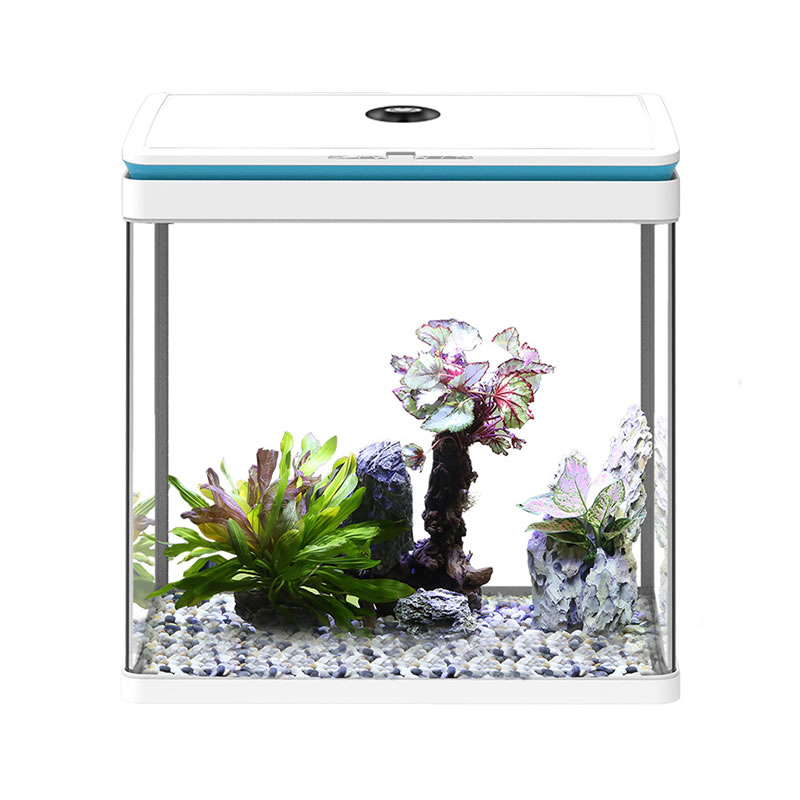 Custom HRG series tabletop fish tank Suppliers, ODM Factory - Sensen Group Co., Sensen Group Co., Ltd is China custom HRG series tabletop fish tank Suppliers and ODM HRG series tabletop fish tank Factory,details:Sense...View Product →
2. Water Temperature: Keep It at 78 to 80°F (25.5 to 26.7°C)
Bettas are tropical fish, and their immune systems stop working properly below about 74°F. An adjustable aquarium glass heater with a thermostat is not optional equipment; it is the difference between a fish that thrives and one that slowly declines. Place the heater near the filter outlet so heat spreads evenly, keep the tank away from drafts and direct sun, and check the temperature daily with a separate thermometer.
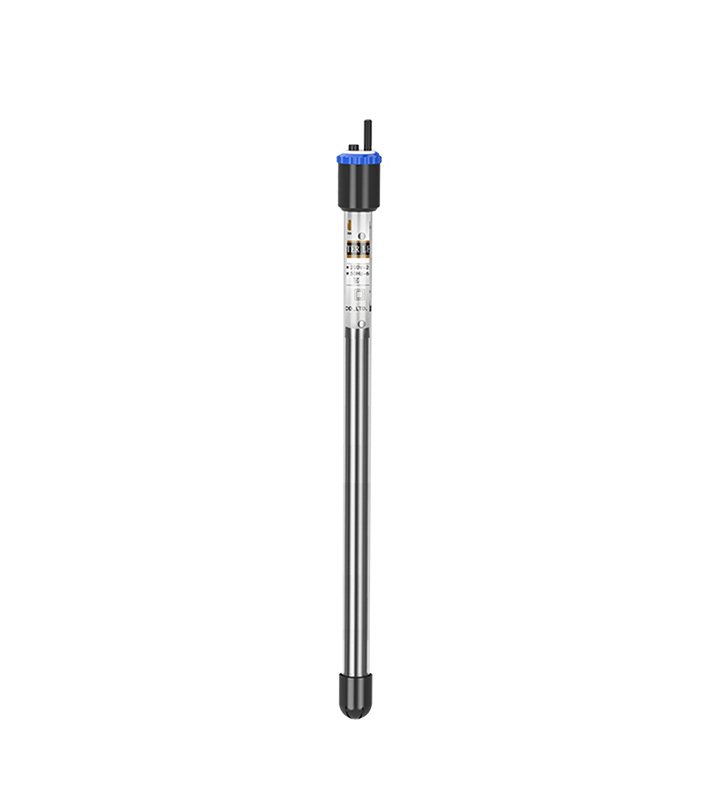 Custom JRB/YRB Series Aquarium Glass Heater Suppliers, ODM Factory - Sensen GrouSensen Group Co., Ltd is China custom JRB/YRB Series Aquarium Glass Heater Suppliers and ODM JRB/YRB Series Aquarium Glass Heater Factory...View Product →
3. Water Quality: Filter and Change Water Weekly
A healthy betta tank is one where ammonia and nitrite stay at zero, which requires both a biological filter and a weekly water change. A gentle hang-on back filter provides continuous circulation and a surface for beneficial bacteria without creating a strong current. Pair it with a 25 to 30 percent water change every week, and the water chemistry that kills so many bettas simply never gets a chance to develop. For more detail, our article on maintaining stable aquarium water quality walks through the full routine.
 Custom CBG Series Hang On Back Filter Suppliers, ODM Factory - Sensen Group Co.,Sensen Group Co., Ltd is China custom CBG Series Hang On Back Filter Suppliers and ODM CBG Series Hang On Back Filter Factory,details:Oil...View Product →
4. Diet: Small Amounts of High-Protein Food
Bettas are insectivores, so their diet should be built on protein rather than plant fillers. Feed two to three pellets or one small live or frozen treat once or twice a day, and skip feeding one day a week to let the digestive tract rest. Overfeeding is more common than underfeeding, and every excess pellet increases the load on your filter and the risk of bloating.
5. Genetics: Start With a Healthy Fish
Genetics set the ceiling on lifespan, so a healthy source is worth the effort. When choosing a betta, look for a fish that reacts to you, has unclamped fins, clear eyes, and no white spots or frayed edges. Avoid fish floating near the surface in cloudy water or showing rapid gill movement. A healthy six-month-old betta has a much better statistical chance of reaching four or five years than a stressed fish already past its first birthday.
6. Stress: Give the Fish Rest, Cover, and Peace
Chronic stress shortens lifespan even when water quality is good. Male bettas must never share a tank with another male, and even females need plenty of space if kept together. Provide broad-leaf plants or a cave for resting near the surface, keep the filter flow gentle, and leave the light on for only eight to ten hours a day. A betta that can rest, breathe, and hide when it wants to is a betta that recovers quickly from small mistakes.
How to Tell How Old a Betta Fish Is
Most pet store bettas are between six and twelve months old when sold, which means the clock is already running when you bring one home. You can estimate age from appearance and behavior, though the method is approximate.
- Young fish (under six months) grow quickly, still develop fin length, and often show less intense color than they will later.
- Adult fish (six to eighteen months) have full finnage, bright color, and a strong, curved posture when they swim.
- Older fish (past two years) move more slowly, may develop cloudy eyes or a slightly bent spine, and take longer to heal from any scrape or fin issue.
If you are adopting a betta from someone else and the history is unknown, treat the fish as an adult and focus on giving it the best water quality from day one; even an older betta improves visibly when conditions improve.
Betta Fish Lifespan FAQ
Can a betta fish live in a bowl?
Bettas can survive in a bowl for weeks or months, but survival is not the same as living a full lifespan. Water in a bowl swings wildly in temperature and turns toxic quickly, which is why bowl-kept bettas usually die well before their second birthday.
How long can a betta go without food?
A healthy adult betta can safely go four to seven days without food, which makes short trips manageable. For any absence longer than that, use an automatic feeder or ask someone to feed a single small meal every other day rather than daily.
Do female bettas live longer than males?
Under identical care, there is no meaningful difference between male and female betta lifespan. Both typically live two to four years in proper conditions, and both are equally vulnerable to poor water quality and temperature swings.
Can bettas reach ten years of age?
Reports of ten-year-old bettas exist, but they are rare and rarely documented. In a home aquarium, treat five to seven years as a realistic upper range; any betta that passes its fifth birthday has received exceptional care.
The Bottom Line on Betta Fish Lifespan
The betta fish lifespan is not a fixed number; it is a report card on the environment you provide. A betta in a cold, small, dirty container lives in months. The same species in a heated, filtered, reasonably spacious tank lives in years. The equipment needed for that outcome is simple and well within reach: a properly sized tank, a thermostat-controlled heater, and gentle biological filtration. Buying those pieces as a matched set from one experienced manufacturer, such as Sensen's aquarium equipment range, also removes compatibility guesswork. If you already own a betta, improving any one of the six factors above can buy extra years. If you are planning your first tank, start with the right size, the right temperature, and a solid maintenance routine, and you can expect three to five years of unusually interactive company.

 No. 61-79, Baima Street, Maao Town, Dinghai District, Zhoushan City, Zhejiang Province, China.
 0086 580 8082088 / 8081168
 0086 580 8080978
 songhua@sunsun-china.com