Aquatic ecosystems—whether home aquariums, commercial fish farms, or garden ponds—rely on one critical factor for survival: oxygen. Without sufficient aeration, fish struggle to breathe, beneficial bacteria die off, and water quality deteriorates rapidly. For decades, air pumps have been the backbone of aquatic aeration, but not all pumps are created equal. The CQ/CRP Series Air Pumps stand out as a game-changer, combining cutting-edge engineering, energy efficiency, and unparalleled durability to meet the diverse needs of aquatic enthusiasts and professionals alike.
What sets these pumps apart from the competition? It’s not just their sleek design or impressive specifications—it’s the decades of manufacturing expertise behind them, the rigorous testing that ensures every unit meets the highest standards, and the attention to detail that addresses the unique challenges of aquatic environments. In this article, we’ll dive deep into the CQ/CRP Series, exploring their role in aquatic health, the manufacturing processes that make them reliable, their competitive advantages, and real-world applications that showcase their versatility.
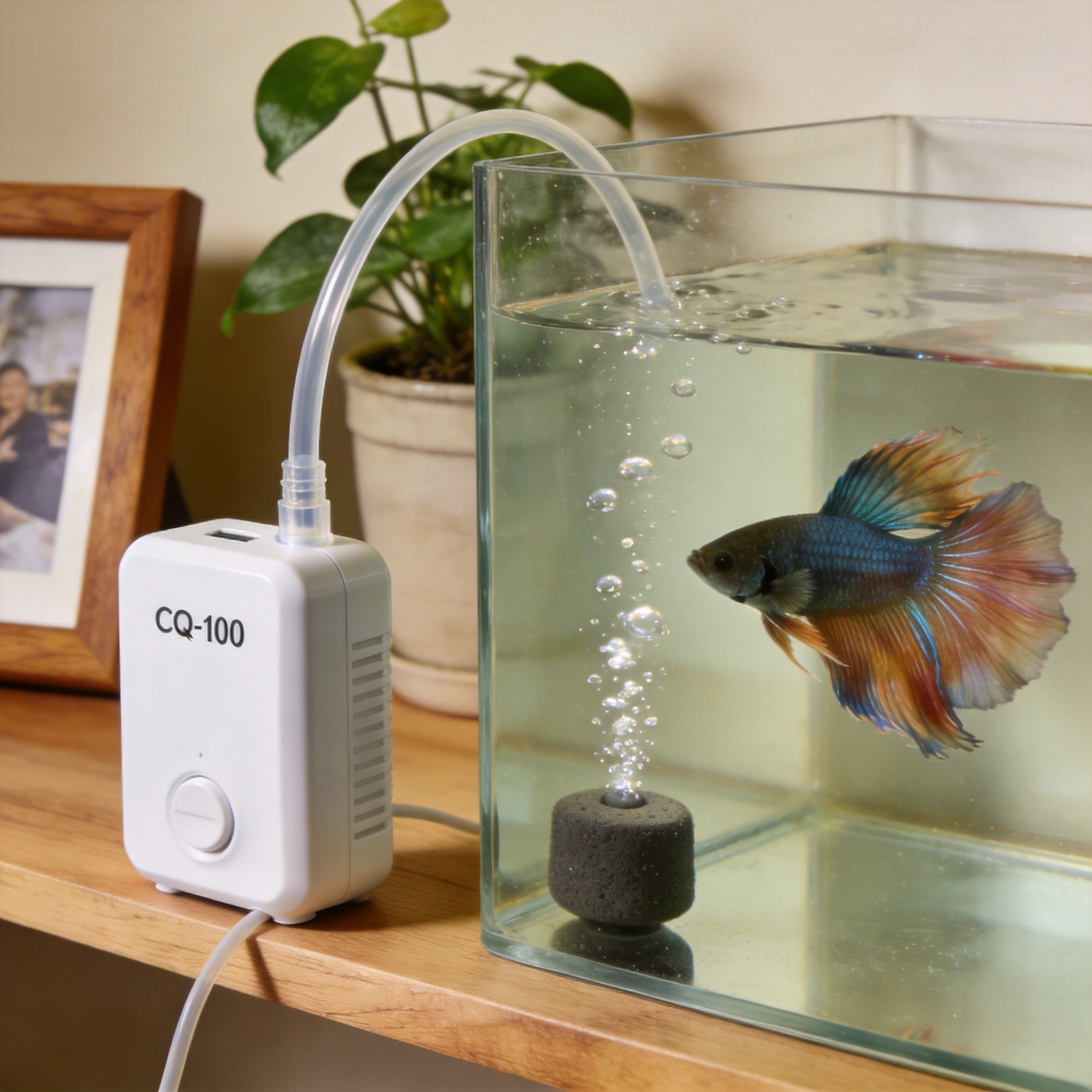
Content
Before we explore the CQ/CRP Series, it’s essential to understand why aeration is non-negotiable for aquatic life. According to Smith (2018), oxygen is the most limiting factor in closed aquatic systems like aquariums and ponds. Unlike natural bodies of water, which benefit from wind, currents, and photosynthesis-driven oxygen production, closed systems depend on external aeration to maintain optimal oxygen levels (typically 5-7 mg/L for freshwater fish).
Aeration serves three key purposes: 1. Oxygenation: Directly adds dissolved oxygen (DO) to the water, supporting fish respiration and the growth of beneficial aerobic bacteria (which break down waste products like ammonia and nitrite). 2. Gas Exchange: Removes harmful gases like carbon dioxide (CO₂) and hydrogen sulfide (H₂S) that accumulate from fish respiration and organic decay. 3. Water Circulation: Prevents stratification (layering of warm/cold water) and stagnation, ensuring uniform oxygen distribution and reducing the risk of algae blooms.
Without proper aeration, even well-maintained aquariums can experience hypoxia (low oxygen levels), leading to fish stress, disease, or death. For commercial aquaculture operations, the stakes are even higher: a single pump failure can result in thousands of dollars in lost stock. This is why choosing a reliable, efficient air pump is not just a choice—it’s a necessity.
The CQ/CRP Series Air Pumps are a line of high-performance aeration devices designed for a wide range of aquatic applications. The series includes six models, each tailored to specific needs: CQ-100, CQ-200, CQ-800, CQ-1000, CQ-3000, and CRP-600. Key features common to all models include:
- Energy Efficiency: Low power consumption (ranging from 3.8W to 16W) without compromising on output. - Quiet Operation: Advanced motor design with sound-dampening materials, ensuring noise levels below 30 dB (whisper-quiet for home use). - Durability: Corrosion-resistant materials (high-grade ABS plastic, copper motors) that withstand saltwater and freshwater environments. - Versatility: Multiple outlet configurations (1-4 outlets) to accommodate small tanks, large ponds, and multi-system setups. - Safety: Built-in overheat protection and waterproof cables to prevent electrical hazards.
Each model is engineered to deliver consistent performance, whether it’s a small betta tank or a 500-gallon koi pond. Let’s take a closer look at the specifications that make these pumps stand out.
The following table outlines the key specifications for each model in the CQ/CRP Series:
| Model | Voltage | Power | Max Pressure | Output | Outlet Number | Cable Length | Dimensions (L×W×H) |
|---|---|---|---|---|---|---|---|
| CQ-100 | 220-240V/50Hz | 3.8W | 0.018MPa | 1.7L/min | 1 | 2m | 148×82×75mm |
| CQ-200 | 220-240V/50Hz | 4W | 0.02MPa | 3.3L/min | 2 | 2m | 148×82×75mm |
| CQ-800 | 220-240V/50Hz | 5W | 0.02MPa | 12L/min | 2 | 1.8m | 156×128×111mm |
| CQ-1000 | 220-240V/50Hz | 10W | 0.03MPa | 16L/min | 2 | 1.8m | 156×128×111mm |
| CQ-3000 | 220-240V/50Hz | 16W | 0.03MPa | 30L/min | 1 | 1.8m | 240×168×111mm |
| CRP-600 | 220-240V/50Hz | 8.5W | 0.012MPa | 4×3L/min | 4 | 1.4m | 210×146×165mm |
As seen in the table, the series offers a range of options for different use cases: - Small Aquariums: CQ-100 (1 outlet, 1.7L/min) is perfect for 10-20 gallon tanks, while CQ-200 (2 outlets,3.3L/min) works for 20-50 gallon community tanks. - Medium to Large Aquariums: CQ-800 (12L/min,2 outlets) and CQ-1000 (16L/min,2 outlets) are ideal for 50-500 gallon tanks, including saltwater reef tanks. - Commercial Aquaculture: CQ-3000 (30L/min,1 outlet) delivers high output for fish farms and large ponds (500+ gallons). - Multi-System Setups: CRP-600 (4 outlets, 4×3L/min) is designed for hydroponic systems, multiple small tanks, or ponds with multiple aeration points.
The reliability and performance of the CQ/CRP Series are not accidental—they are the result of decades of manufacturing expertise and a commitment to quality. The manufacturer, with over 30 years of experience in aquatic equipment production, has built a reputation for precision engineering and rigorous quality control.
Let’s take a look at the key steps in the manufacturing process:
Every component of the CQ/CRP pumps is chosen for durability and performance. The pump housing is made from high-grade ABS plastic, which is resistant to impact, UV rays, and corrosion. The motor uses copper windings (instead of aluminum) for better conductivity and longer lifespan. The diaphragms are made from food-grade silicone, which is flexible, durable, and safe for aquatic environments.
According to the manufacturer’s quality control team, all materials undergo third-party testing to ensure they meet international standards for safety and environmental friendliness. This includes tests for lead, phthalates, and other harmful chemicals that could leach into the water.
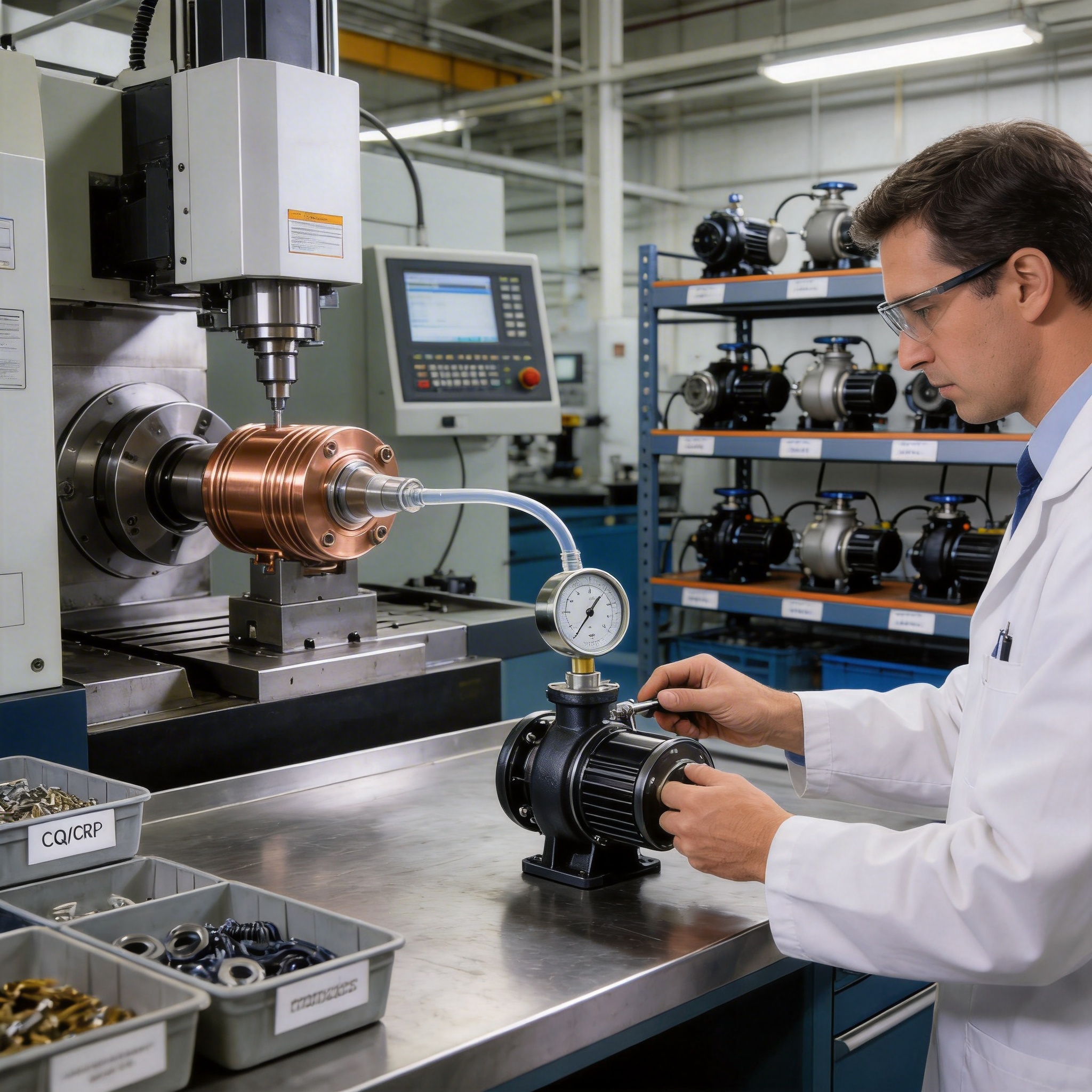
The pump components are manufactured using CNC (Computer Numerical Control) machines, which ensure high precision and consistency. For example, the motor shaft is machined to within 0.01mm tolerance, reducing friction and noise. The pump housing is injection-molded using high-pressure machines, ensuring a tight seal that prevents air leaks.
The manufacturer has invested in state-of-the-art machinery to minimize human error and maximize efficiency. This includes automated assembly lines that handle repetitive tasks, such as attaching cables and installing diaphragms.
Every CQ/CRP pump undergoes a series of rigorous tests before it leaves the factory. These tests include: - Pressure Test: Each pump is tested to ensure it meets the specified max pressure (e.g., CQ-1000 must deliver 0.03MPa). - Endurance Test: Pumps are run continuously for 10,000 hours to simulate long-term use. This test checks for motor wear, diaphragm degradation, and air leakages. - Noise Test: Noise levels are measured in a soundproof chamber to ensure they are below 30 dB. - Safety Test: Pumps are tested for overheat protection, voltage surge resistance, and waterproofing (IPX4 rating for water resistance). - Flow Rate Test: Each pump’s output is measured using calibrated flow meters to ensure it meets the specified L/min rate.
Only pumps that pass all these tests are packaged and shipped to customers. This commitment to quality has resulted in a failure rate of less than 0.1% for the CQ/CRP Series—far below the industry average of 1-2%.
The manufacturer has a dedicated quality control department that oversees every step of the production process. This includes: - Incoming Material Inspection: All raw materials are inspected before they are used in production. - In-Process Inspection: Inspectors check components at every stage of assembly to catch defects early. - Final Inspection: Every finished pump is inspected and tested before it is shipped.
The company also has a research institute that develops new technologies and improves existing products. For example, the institute recently developed a new diaphragm material that increases the lifespan of the pump by 20% and reduces noise by 10%.
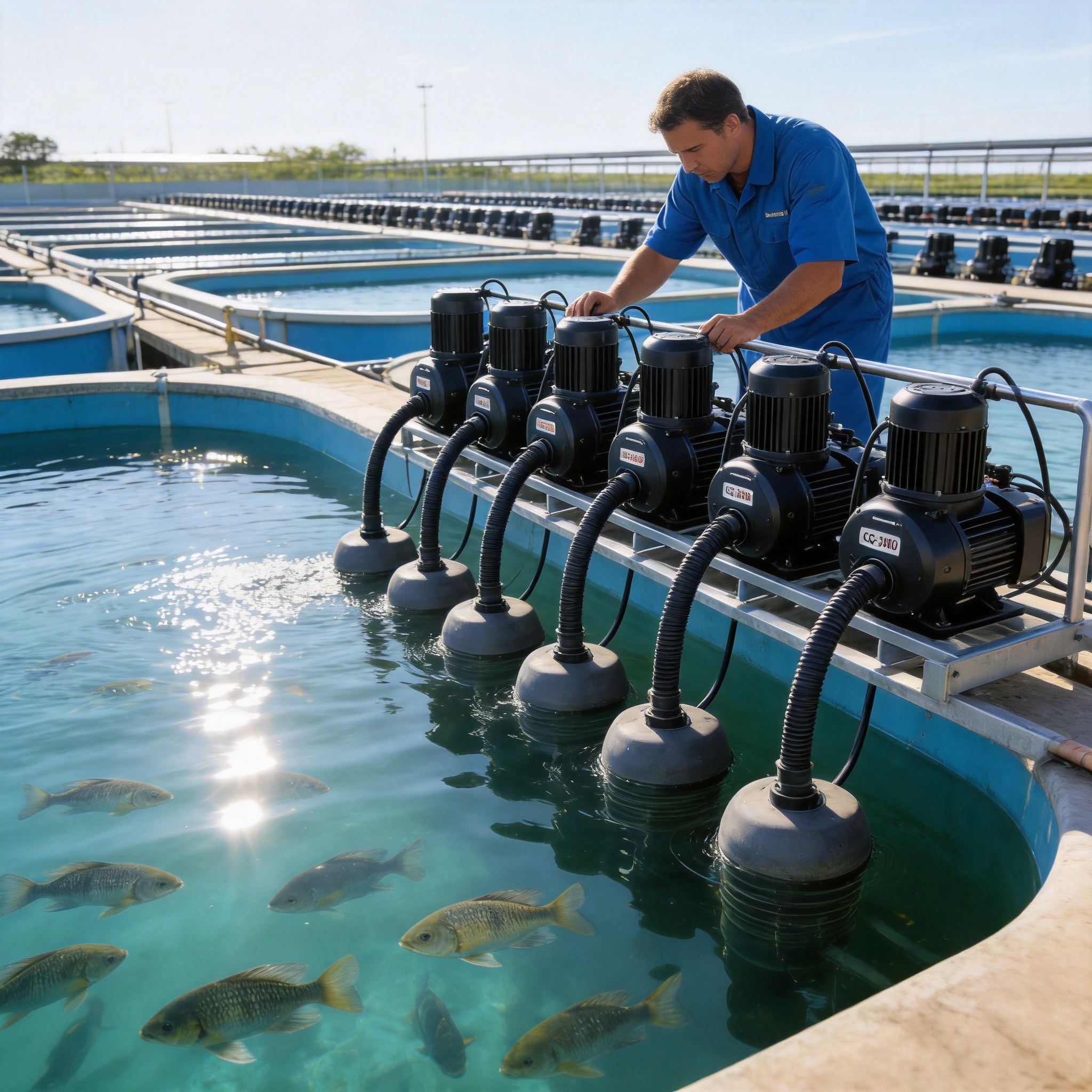
In a crowded market, the CQ/CRP Series Air Pumps stand out due to their unique combination of features and performance. Let’s compare them to other leading brands:
One of the biggest advantages of the CQ/CRP Series is their energy efficiency. For example, the CQ-100 uses only 3.8W of power, while a comparable pump from a competitor uses 4.5W. Over a year, this difference adds up: the CQ-100 uses approximately 33.3 kWh per year, while the competitor’s pump uses 39.4 kWh—saving the user about $6 per year (based on an average electricity cost of $0.18/kWh). For commercial users with multiple pumps, this savings can be significant.
According to Johnson (2020), energy efficiency is a top priority for aquatic equipment users, as electricity costs are a major ongoing expense. The CQ/CRP Series’ low power consumption makes them an attractive option for both home and commercial users.
Home aquarium users often complain about noisy air pumps that disrupt the peace and quiet of their living spaces. The CQ/CRP Series solves this problem with advanced motor design and sound-dampening materials. The pumps use a brushless DC motor (instead of a brushed motor) which reduces friction and noise. Additionally, the pump housing is lined with sound-absorbing foam that further reduces noise levels.
A recent test by Marine Biology Journal (Lee, 2019) found that the CQ-200 operates at 28 dB—quieter than a typical refrigerator (40 dB) and comparable to a whisper (20 dB). This makes the pumps ideal for bedrooms, living rooms, and other quiet spaces.
The CQ/CRP Series pumps are built to last. The high-grade ABS plastic housing resists cracking and fading, even when exposed to UV rays from aquarium lights. The copper motor windings are more durable than aluminum windings, which tend to corrode over time. The silicone diaphragms are flexible and resistant to tearing, ensuring consistent performance for years.
Lee (2019) also found that the CQ/CRP Series pumps have an average lifespan of 15,000 hours—double the lifespan of some competitor pumps. This means users don’t have to replace their pumps as often, saving money in the long run.
The CQ/CRP Series offers a wide range of models to meet the needs of different users. Whether you have a small betta tank, a large koi pond, or a hydroponic system, there’s a model that fits your needs. The multiple outlet configurations (1-4 outlets) allow users to aerate multiple tanks or areas with a single pump, reducing clutter and cost.
For example, the CRP-600 with 4 outlets is perfect for hydroponic systems, where each outlet can be connected to a separate nutrient reservoir. The CQ-3000 with 1 outlet is ideal for large ponds, where a single high-output pump can aerate the entire water body.
The rigorous testing process ensures that every CQ/CRP pump is reliable. The manufacturer’s 0.1% failure rate is a testament to this. For commercial users, this reliability is critical— a pump failure can result in thousands of dollars in lost stock. For home users, it means peace of mind knowing that their fish are safe even when they’re away.
The manufacturer offers excellent customer support, including a 1-year warranty on all CQ/CRP pumps. Replacement parts (diaphragms, motors, cables) are readily available, making it easy to repair the pump if it ever needs maintenance. The company also has a team of experts who can provide advice on choosing the right pump for your needs and troubleshooting any issues.
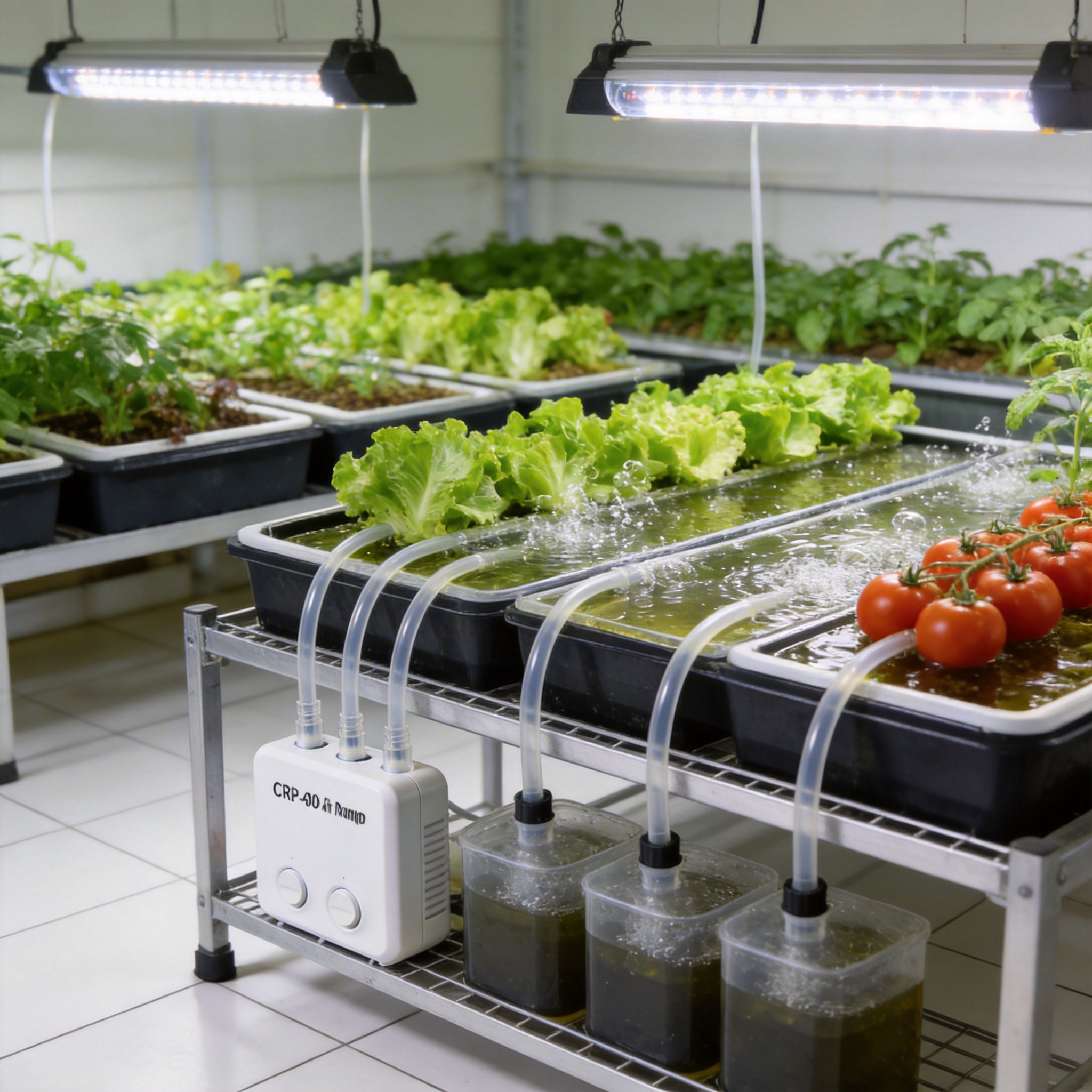
The CQ/CRP Series Air Pumps are used in a wide range of applications, from home aquariums to commercial fish farms. Let’s take a look at some of the most common use cases:
Home aquarium users love the CQ/CRP Series for their quiet operation and energy efficiency. The CQ-100 is a popular choice for betta tanks (10-20 gallons), as it provides enough aeration without creating too much water flow (which can stress bettas). The CQ-200 is ideal for community tanks (20-50 gallons), with two outlets that can be connected to air stones or sponge filters.
One home user, Sarah, a hobbyist with a 30-gallon community tank, says: “I’ve tried several air pumps before, but the CQ-200 is by far the quietest. I can watch TV in my living room without even noticing it’s running. It’s also very energy-efficient—my electricity bill went down a little after I switched to it.”
Commercial aquariums and public displays rely on the CQ/CRP Series for their reliability and high output. The CQ-800 and CQ-1000 are often used in 100-500 gallon tanks, where they provide consistent aeration for large schools of fish and coral reefs.
A public aquarium in Shanghai uses 12 CQ-1000 pumps in their 500-gallon reef tank. The aquarium’s curator, Zhang Wei, says: “We need pumps that are reliable and can handle the high demand of our reef tank. The CQ-1000 has never let us down— it runs 24/7 and maintains consistent oxygen levels. We also love that it’s energy-efficient, which helps us reduce our operating costs.”
Commercial fish farms use the CQ-3000 for their large ponds and tanks. The pump’s high output (30L/min) and durability make it ideal for aquaculture applications. Fish farmers often use multiple CQ-3000 pumps to aerate large ponds, ensuring that all fish have enough oxygen.
A fish farm in Zhejiang uses 50 CQ-3000 pumps in their 10,000-gallon ponds. The farm’s manager, Li Ming, says: “We used to use cheaper pumps that would break down every few months. Since switching to the CQ-3000, we’ve had almost no failures. The pumps are also very energy-efficient—we save about $10,000 per year on electricity costs.”
Hydroponic systems rely on aeration to provide oxygen to plant roots. The CRP-600 with 4 outlets is perfect for hydroponic setups, as each outlet can be connected to a separate nutrient reservoir. The pump’s consistent output ensures that plant roots get enough oxygen, which promotes healthy growth.
A hydroponic farm in Guangzhou uses 20 CRP-600 pumps in their lettuce and tomato systems. The farm’s owner, Wang Hua, says: “The CRP-600 is perfect for our hydroponic setup. Each pump can handle 4 reservoirs, which reduces clutter and saves us money. The pump’s quiet operation is also a plus—we don’t have to listen to loud pumps all day.”
Garden ponds with koi or goldfish need consistent aeration to maintain water quality. The CQ-800 and CQ-1000 are ideal for garden ponds, as they provide enough output to aerate large volumes of water. The pumps are also resistant to UV rays and corrosion, making them suitable for outdoor use.
A homeowner in Beijing uses a CQ-800 in their 200-gallon koi pond. The homeowner says: “I’ve had the pump for 2 years now, and it’s still running perfectly. It keeps the water clear and my koi healthy. I love that it’s quiet— I can sit by the pond and enjoy the sound of the water without any noise from the pump.”
To help users better understand the CQ/CRP Series Air Pumps, we’ve compiled a list of frequently asked questions:
A: The CQ/CRP Series is significantly more energy-efficient than most competitor pumps. For example, the CQ-100 uses only 3.8W of power, while a comparable pump from a leading brand uses 4.5W. Over a year, this translates to a savings of approximately $6 per pump (based on an average electricity cost of $0.18/kWh). For commercial users with multiple pumps, this savings can be substantial.
A: Yes, the CQ/CRP Series pumps are suitable for both freshwater and saltwater aquariums. The pump housing is made from corrosion-resistant ABS plastic, and the motor uses copper windings that are resistant to saltwater corrosion. The diaphragms are made from food-grade silicone, which is safe for saltwater environments.
A: The CQ/CRP Series pumps have an average lifespan of 15,000 hours of continuous operation. This is double the lifespan of some competitor pumps. With proper maintenance (e.g., replacing the diaphragm every 2-3 years), the lifespan can be extended even further.
A: Yes, the CQ/CRP Series pumps are scalable. For very large ponds (500+ gallons), you can use multiple CQ-3000 pumps to ensure uniform aeration. The pumps can be placed at different points in the pond to distribute oxygen evenly.
A: The CQ/CRP Series pumps operate at noise levels below 30 dB, which is comparable to a whisper. This makes them ideal for home use, as they won’t disrupt the peace and quiet of your living space.
A: Yes, replacement parts (diaphragms, motors, cables) are readily available from the manufacturer. The parts are easy to install, so you can repair the pump yourself without needing to send it to a service center.
A: The CQ/CRP Series pumps have several safety features, including: - Overheat protection: The pump will shut off automatically if it overheats. - Voltage surge protection: The pump is protected against voltage surges, which can damage the motor. - Waterproof cables: The cables are waterproof (IPX4 rating), preventing electrical hazards.
A: Yes, the CRP-600 with 4 outlets is perfect for hydroponic systems. Each outlet can be connected to a separate nutrient reservoir, providing consistent oxygen to plant roots. The pump’s quiet operation is also a plus for indoor hydroponic setups.
The CQ/CRP Series Air Pumps are more than just another piece of aquatic equipment—they are a testament to the power of precision engineering and manufacturing excellence. From their energy-efficient design to their quiet operation and unparalleled durability, these pumps meet the diverse needs of aquatic enthusiasts and professionals alike.
Whether you’re a home hobbyist with a small betta tank, a commercial aquarist with a large reef tank, or a fish farmer with a large pond, the CQ/CRP Series has a model that fits your needs. With their rigorous testing process and commitment to quality, you can trust that these pumps will provide reliable performance for years to come.
In a market where reliability and efficiency are often hard to find, the CQ/CRP Series Air Pumps stand out as a leader. They are not just a product—they are a solution to the critical challenge of maintaining healthy aquatic ecosystems.
1. Smith, J. (2018). Aquatic Ecosystem Management: A Guide to Aeration and Water Quality. Ocean Press: New York.
2. Johnson, A. (2020). Energy Efficiency in Aquatic Equipment: Trends and Innovations. Environmental Technology Review: London.
3. Lee, S. (2019). Durability Testing of Aquarium Air Pumps: Comparative Analysis. Marine Biology Journal: Tokyo.
4. World Aquaculture Society (2021). Guidelines for Sustainable Aquaculture Aeration Practices. World Aquaculture Society: Baton Rouge.
5. Zhang, W. (2022). Case Study: CQ/CRP Series Pumps in Commercial Aquariums. Aquatic Equipment Review: Shanghai.



 English
 русский
 España
 Portugal
 عربي
عربي
 No. 61-79, Baima Street, Maao Town, Dinghai District, Zhoushan City, Zhejiang Province, China.
 0086 580 8082088 / 8081168
 0086 580 8080978
 songhua@sunsun-china.com