Most fish die not from disease, but from invisible water quality problems that their owners can’t see. A fish lives entirely inside its tank; the water around it is the only environment it will ever know—it breathes in that water, excretes waste into it, and relies on it for oxygen and temperature stability. When something goes wrong, fish cannot whine, scratch at the glass, or signal for help. Successful fish care means understanding how to build and maintain a stable, healthy aquatic habitat before you ever pick out your first fish. This guide walks you through exactly that, from choosing equipment based on how it actually works to building a simple, sustainable maintenance routine.
Content
Calling fish a “low-maintenance pet” is the most common—and most dangerous—misconception in the hobby. The reality is that you are not just caring for a fish; you are managing a closed chemical and biological system. Uneaten food, waste, and plant debris break down continuously, creating toxins that are invisible and odorless. Without active intervention, these toxins build up silently until they overwhelm the fish’s immune system. Good fish care is proactive, not reactive. It means anticipating problems like ammonia spikes or oxygen dips and designing a system that prevents them. The upside is that once you understand a few core concepts—cycling, mechanical and biological filtration, and consistent water changes—the routine becomes manageable and genuinely rewarding. The goal of this guide is to give you a clear, equipment-informed understanding of how to create that stability from day one.
A small tank does not mean less effort—it usually means more. In a smaller body of water, parameters like temperature and ammonia concentration change much faster because there is simply less volume to buffer those changes. A common beginner mistake is starting with a tiny desktop bowl or a 3-gallon tank and then wondering why the fish get sick within weeks. Industry experience shows that a 10- to 20-gallon tank is a much safer starting point for beginners. More water holds more dissolved oxygen and dilutes waste products between water changes, making the whole system more forgiving of small mistakes. If you do choose a compact desktop tank, be strict about stocking: a single betta or a tiny group of small schooling fish is appropriate, but overstocking will lead to constant stress and illness. Also consider tank shape—a longer, wider footprint provides a greater surface area for gas exchange than a tall, narrow column of water, which helps oxygen enter and carbon dioxide escape more efficiently.
Every piece of equipment in an aquarium serves a specific chemical or biological purpose. Viewing these devices not just as “required gear” but as functional tools helps you make smarter, longer-lasting choices.
Filtration is the single most important equipment choice you will make. A filter does three jobs at once. Mechanical filtration traps floating particles. Chemical filtration—typically through activated carbon or specialized media—removes dissolved impurities and odors. But the most critical function is biological filtration, which is not about trapping debris at all. It is about providing a home for beneficial nitrifying bacteria that process deadly ammonia from fish waste into less harmful nitrate. This is why the filter should never be turned off for extended periods and why cleaning the filter media with untreated tap water can be disastrous—chlorine kills the bacteria you worked hard to establish. For most beginner setups under 40 gallons, a hang-on-filter provides excellent mechanical and biological filtration and is easy to maintain. For larger or heavily stocked tanks, an external canister filter offers more media capacity and flow control. A useful starting guideline is to aim for a filter with a flow rate that circulates the tank’s total water volume 4 to 5 times per hour. You can explore the practical design features of hang-on filters suited for new tanks to see how flow paths and media baskets are configured for daily use.
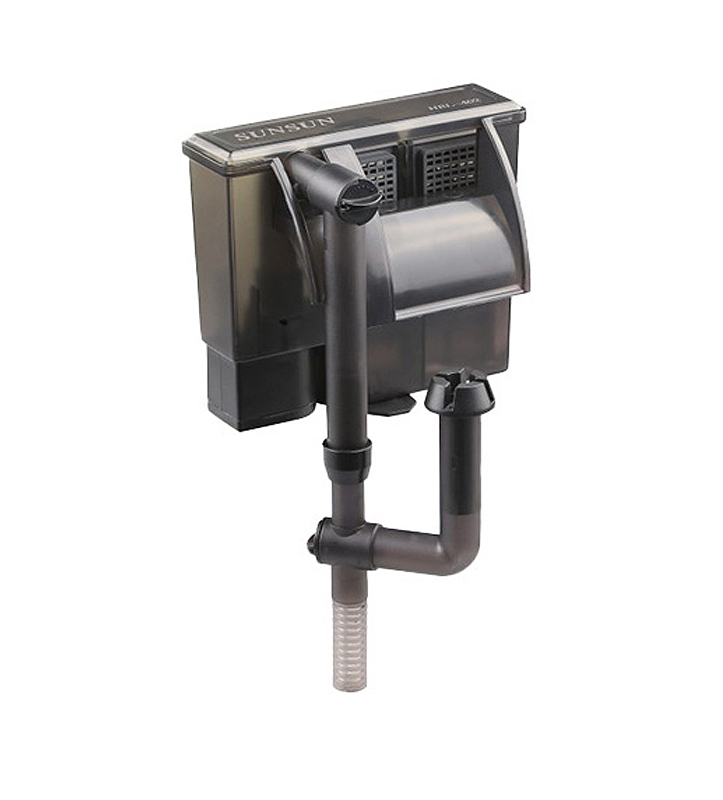 Custom HBL Series Hang On Filter Suppliers, ODM Factory - Sensen Group Co., LtdSensen Group Co., Ltd is China custom HBL Series Hang On Filter Suppliers and ODM HBL Series Hang On Filter Factory,details:Model Voltage...View Product →
Many guides list an air pump as optional, but in fish care, it is often the difference between a struggling tank and a thriving one. An air pump does not directly inject oxygen into the water in large quantities through the bubbles themselves; the primary gas exchange happens at the surface. The rising bubbles create water movement that pulls oxygen-depleted water from the lower tank levels up to the surface, where it can release carbon dioxide and absorb oxygen. Aeration becomes critical at higher water temperatures, which naturally hold less dissolved oxygen, or in tanks with a higher number of fish. It also prevents a dangerous scenario at night when live plants stop producing oxygen and begin consuming it alongside the fish. Today’s electromagnetic air pumps are significantly quieter than older models, which matters when the tank is in a bedroom or office. Understanding how electromagnetic air pumps balance quiet operation with consistent output helps you choose a unit that fits your lifestyle and not just your tank size.
 Custom ACO Series Electromagnetic Air Pump Suppliers, ODM Factory - Sensen GroupSensen Group Co., Ltd is China custom ACO Series Electromagnetic Air Pump Suppliers and ODM ACO Series Electromagnetic Air Pump Factory,d...View Product →
For tropical fish, a stable temperature around 78°F is essential. Fluctuations of even a few degrees stress the immune system and invite parasites. A heater is sized by wattage, and a rule of thumb is to allow roughly 1 to 1.5 watts per liter of water, but verify against the manufacturer’s volume rating for your specific tank size. A separate, reliable thermometer is mandatory—never trust a heater’s built-in dial alone. For lighting, more is not better. Keeping the tank light on for more than 10 hours a day is one of the fastest ways to trigger nuisance algae blooms. An 8-hour photoperiod, ideally managed with a simple outlet timer, provides enough light for viewing and for any live plants without fueling excessive algae growth.
The most heartbreaking beginner experience is buying a tank, filling it with water, adding fish the same day, and watching them die within a week. The reason is almost always the same: the nitrogen cycle had not been established. Fish produce waste that breaks down into highly toxic ammonia. In a cycled tank, a colony of bacteria has grown large enough to quickly turn that ammonia into nitrite, and then a second group of bacteria converts the nitrite into much less harmful nitrate, which you remove through regular water changes. Building this bacterial colony from scratch takes anywhere from two to six weeks. The process begins by adding a dechlorinator to your tap water, then introducing a source of ammonia—either pure ammonia dosed carefully or a small pinch of fish food daily—while testing the water parameters. You will see ammonia climb, then fall while nitrite spikes, and finally see nitrite drop to zero as nitrate appears. Adding a supplement of live enzyme-producing nitrifying bacteria cultures designed for tank cycling can accelerate this process significantly, but it does not eliminate the need for testing. The tank is safe for fish only when ammonia and nitrite read a consistent zero, and nitrate is present but low.
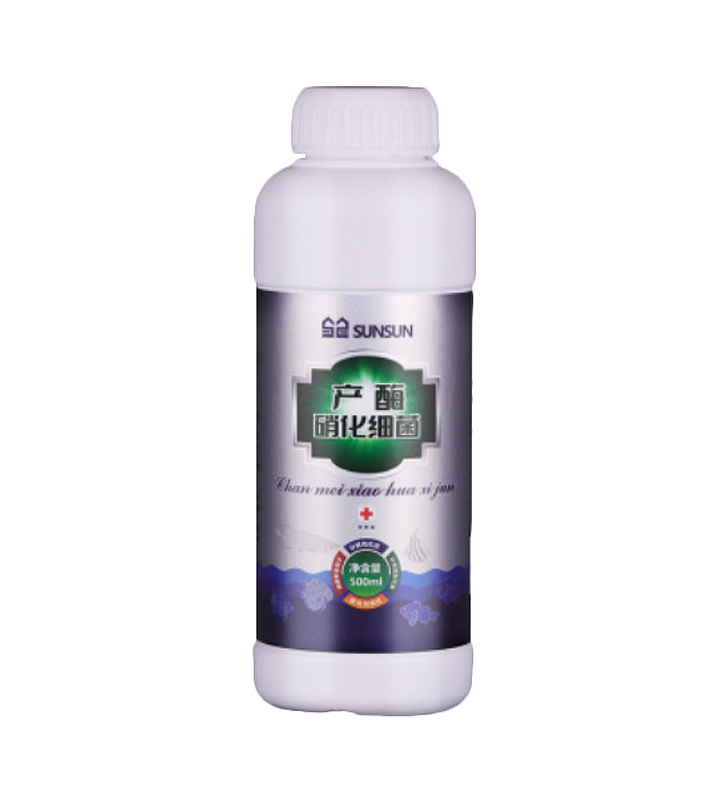 Custom Enzyme-producing nitrifying bacteria Suppliers, ODM Factory - Sensen GrouSensen Group Co., Ltd is China custom Enzyme-producing nitrifying bacteria Suppliers and ODM Enzyme-producing nitrifying bacteria Factory...View Product →
Busy schedules do not have to conflict with healthy fish care. A consistent, tiered maintenance routine prevents emergencies and keeps a tank stable for years.
Feeding is usually done once or twice a day, offering an amount the fish can finish entirely within two minutes. A quick observation is equally important: note how the fish are swimming, whether they rush to the food with energy, and if any fins appear clamped or torn. Catching a subtle behavioral change early often prevents a larger health crisis later.
Change 20% to 25% of the water each week. This removes accumulating nitrates, dissolved organic compounds, and stabilizes the mineral content of the water. Always treat the new water with a dechlorinator and match its temperature to the tank. While the tank level is lowered, use a gravel vacuum to suck out uneaten food and solid waste from the substrate. Testing the water weekly for ammonia, nitrite, nitrate, and pH is non-negotiable during the first months and remains a smart long-term habit. A sudden nitrate spike is a clear signal that feeding should be reduced or that the next water change needs to happen sooner.
The filter impeller and intake strainer should be checked for debris that reduces flow. Most importantly, when you rinse filter media like sponges or ceramic rings, do it gently in a bucket of old tank water that you have just removed during a water change. Rinsing media under running tap water—even if it looks dirty—destroys the nitrifying bacteria with chlorine and throws the tank back into a mini-cycle. Air stones, which slowly clog with mineral deposits, should be replaced or cleaned to maintain full-bubble output from the air pump.
More fish are harmed by overfeeding than by underfeeding. A fish’s stomach is roughly the size of its eye, and in nature it grazes and forages rather than eating large, single meals. Excess food that sinks and decays causes ammonia to spike and feeds unwanted bacteria and algae. The safest approach is to feed a small amount, watch the fish consume it rapidly, and stop. A slightly rounded belly without a swollen look is a good visual indicator that the meal size is correct. If you see flakes drifting to the bottom untouched, reduce the portion next time. Fasting fish for one day a week is a common and effective practice that aids digestion and reduces waste, with no harm to healthy adult fish.
Even well-intentioned owners often fall into the same traps. Recognizing these patterns can save you months of frustration.
Consistent, small actions create a stable tank far more reliably than a single, massive cleaning session once a month. The three pillars of effective fish care are filtration to process toxins, aeration to maintain safe dissolved oxygen, and disciplined water changes to reset nutrient levels. If you choose a thoughtfully sized tank, cycle it fully, choose equipment that fits the tank’s volume and purpose, and stick to a predictable feeding and water change schedule, your fish will show their health through bright colors, clean fins, and energetic behavior. Start with the water, not the fish, and let the routine carry you from there.



 English
 русский
 España
 Portugal
 عربي
عربي No. 61-79, Baima Street, Maao Town, Dinghai District, Zhoushan City, Zhejiang Province, China.
 0086 580 8082088 / 8081168
 0086 580 8080978
 songhua@sunsun-china.com