In modern aquaculture, aquarium engineering, aquatic product holding systems, and industrial oxygenation projects, air delivery is not a secondary function; it is one of the core conditions that determines system stability, biological safety, and operating efficiency. The PG Series Whirl Charging Airpump PG-7500 is designed for environments where ordinary small air pumps cannot provide enough airflow, pressure, durability, or continuous-duty reliability. Built for high-volume aeration, oxygen transfer, water movement support, and centralized air supply, this product belongs to a class of equipment intended for professional users who require dependable performance over long working cycles.
The PG-7500 model is especially suitable for large fish tanks, aquaculture ponds, seafood holding facilities, aquatic breeding bases, recirculating aquaculture systems, ornamental fish farms, and engineering projects that require centralized air distribution. With a rated power of 7500 W, an output capacity of 700 m³/h, a pressure capability of 60 kPa, and a vacuum level of -45 kPa, the PG-7500 provides the type of strong, consistent airflow needed for demanding operating conditions. Compared with small diaphragm pumps, hobby-grade air pumps, or low-pressure blowers, this unit is built for scale, pressure stability, and professional service life.
PG Series Whirl Charging Airpump PG-7500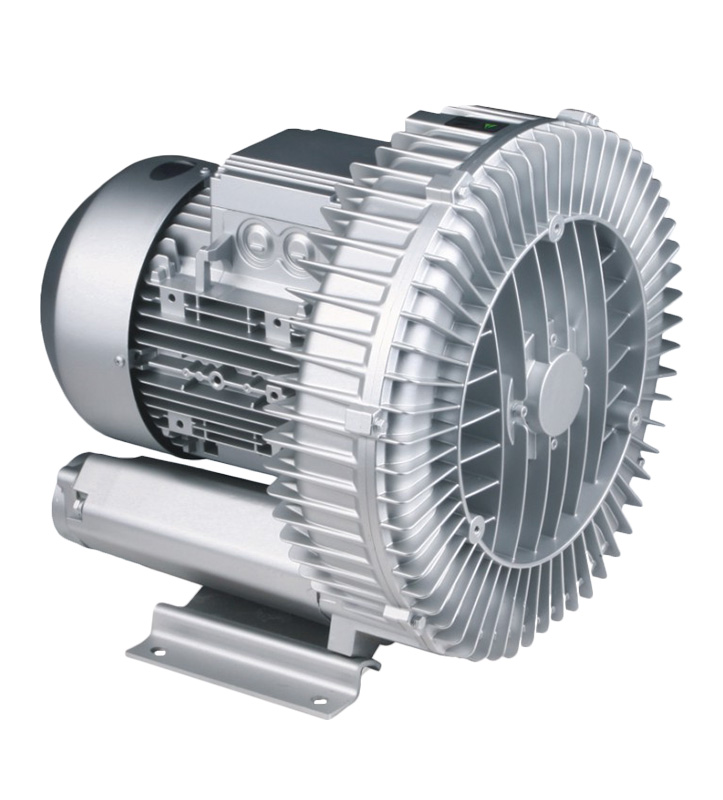
Content
The PG Series Whirl Charging Airpump PG-7500 is a high-capacity air delivery machine engineered to move large volumes of air at a stable pressure level. Its main role is to provide aeration and pneumatic support in systems where water quality, dissolved oxygen, circulation, and biological filtration depend on consistent air supply. In aquaculture and aquarium-related industries, oxygen deficiency can lead to slow growth, stress, disease outbreaks, or sudden livestock loss. A powerful and dependable air pump therefore protects both production value and animal welfare.
Unlike compact air pumps intended for desktop aquariums or decorative tanks, the PG-7500 is made for large installations. It is not merely a larger version of a household pump; it is a professional whirl charging air pump with a structure and performance profile suited to continuous operation. Its 380 V/50 Hz power configuration indicates its industrial orientation, while its 61 kg body weight and 547 × 451 × 464 mm dimensions reflect a robust mechanical design. The product is compact enough for equipment rooms yet substantial enough to handle heavy-duty aeration workloads.
The term “whirl charging” refers to the movement and compression of air through a rotating flow mechanism. This type of air movement is useful where users need a combination of airflow and pressure rather than only one of those characteristics. In real applications, airflow alone is not enough. Air must also overcome pipeline resistance, water depth, diffuser resistance, valve loss, and manifold layout. The PG-7500 is designed to maintain strong output in these practical working conditions.
The following table summarizes the relevant PG Series models and shows where the PG-7500 fits within the broader range. This comparison is useful for buyers who need to select a model based on power, pressure, air output, installation size, and system requirements.
Model |
Voltage |
Power |
Pressure |
Vacuum |
Output |
Working Pressure |
Weight |
Dimensions L×W×H |
PG-8500 |
380 V/50 Hz |
8500 W |
30 kPa |
-48 kPa |
720 m³/h |
<20 kPa |
65 kg |
547×451×464 mm |
PG-11000 |
380 V/50 Hz |
11000 W |
65 kPa |
-45 kPa |
1050 m³/h |
<25 kPa |
112 kg |
644×550×570 mm |
PG-12500 |
380 V/50 Hz |
12500 W |
70 kPa |
-45 kPa |
1050 m³/h |
<27 kPa |
115 kg |
644×550×570 mm |
PG-15000 |
380 V/50 Hz |
15000 W |
75 kPa |
-50 kPa |
1050 m³/h |
<35 kPa |
120 kg |
644×550×570 mm |
PG-18000 |
380 V/50 Hz |
18000 W |
80 kPa |
-50 kPa |
1050 m³/h |
<45 kPa |
130 kg |
644×550×570 mm |
PG-750-L |
380 V/50 Hz |
750 W |
23 kPa |
-20 kPa |
120 m³/h |
<15 kPa |
15 kg |
269×286×300 mm |
PG-1100-L |
380 V/50 Hz |
1100 W |
25 kPa |
-22 kPa |
130 m³/h |
<22 kPa |
21 kg |
269×286×300 mm |
PG-1100-B |
380 V/50 Hz |
1100 W |
25 kPa |
-22 kPa |
130 m³/h |
<22 kPa |
21 kg |
269×286×300 mm |
PG-3000-D |
220 V/380 V/50 Hz |
3000 W |
36 kPa |
-26 kPa |
370 m³/h |
<22 kPa |
30 kg |
371×360×361 mm |
PG-4000-D |
380 V/50 Hz |
4000 W |
42 kPa |
-32 kPa |
395 m³/h |
<30 kPa |
42 kg |
454×352×381 mm |
PG-5500-D |
380 V/50 Hz |
5500 W |
50 kPa |
-40 kPa |
680 m³/h |
<18 kPa |
58 kg |
547×451×464 mm |
PG-7500-D |
380 V/50 Hz |
7500 W |
60 kPa |
-45 kPa |
700 m³/h |
<25 kPa |
61 kg |
547×451×464 mm |
The PG-7500 occupies an important middle-to-high position in the series. It delivers much higher pressure and capacity than small models while remaining more compact and easier to install than the largest models in the range. This makes it attractive for users who need industrial performance but do not necessarily require the 1050 m³/h output level of the 11000 W to 18000 W machines.
The first major advantage of the PG-7500 is its balanced relationship between power, pressure, and airflow. Many competing pumps may advertise high airflow under ideal laboratory conditions, but real aeration systems usually involve resistance. Air must pass through hoses, distribution pipes, non-return valves, elbows, manifolds, diffusers, and water depth. If the pressure reserve is weak, airflow drops sharply once the pump is connected to a real system. With a pressure rating of 60 kPa and an output of 700 m³/h, the PG-7500 is better suited for actual operating environments where air delivery must remain stable under load.
The second advantage is its suitability for centralized aeration. In a large aquarium store, fish farm, or aquatic machinery installation, one high-capacity air pump can supply multiple tanks or ponds through a properly designed manifold system. This can reduce the number of individual pumps, simplify maintenance, improve equipment room organization, and create a more professional air supply network. Centralized systems also make it easier to monitor operation, add backup equipment, and standardize pressure control.
The third advantage is durability. A 61 kg construction suggests a machine designed with mechanical strength, motor stability, and heavy-duty components in mind. For professional users, durability is not only about avoiding breakdowns; it is also about maintaining predictable performance month after month. In aquaculture, unexpected air failure can be catastrophic. A robust air pump helps reduce operational risk and protects livestock from oxygen stress.
The fourth advantage is efficiency at scale. While a 7500 W motor represents a serious power level, the 700 m³/h air output allows the machine to support large volumes of water or many aeration points. When compared with using numerous small pumps to achieve similar total airflow, a single professional-grade blower can reduce cable clutter, simplify installation, and improve maintenance efficiency. In many large operations, fewer larger machines are easier to supervise than many small scattered pumps.
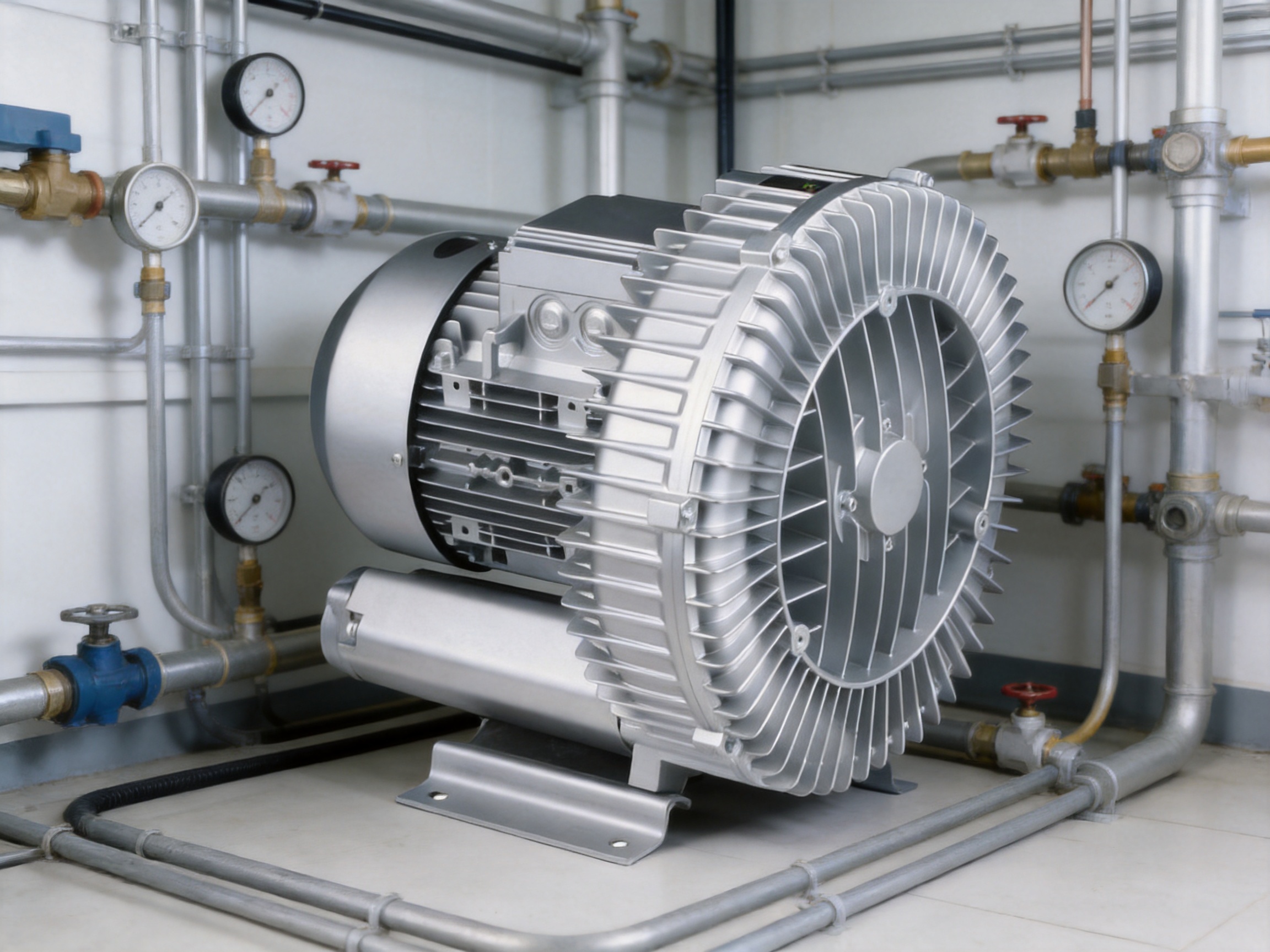
When selecting an air pump, many users focus only on airflow. However, pressure is equally important. In water, pressure increases with depth. Diffusers also require pressure to generate fine bubbles. Long pipelines add friction loss, and every valve, connector, or bend creates additional resistance. If a pump cannot maintain pressure, the farthest air stones or diffusers may receive weak airflow, creating uneven oxygen distribution.
The PG-7500 offers a pressure rating of 60 kPa, which gives it the strength to support demanding layouts. This is particularly important in aquaculture systems where air must reach multiple tanks or deeper water zones. A pump with lower pressure may work well in shallow testing but perform poorly after installation. The PG-7500 is designed to provide a stronger pressure reserve, helping users achieve more reliable aeration across complex distribution networks.
Stable pressure also supports biological filtration. Many large filtration systems rely on air-driven movement, oxygen-rich bio-media, or aerated chambers. Beneficial bacteria require oxygen to process ammonia and nitrite. If air delivery fluctuates, biofiltration performance may decline, leading to water quality instability. A high-pressure professional pump helps maintain the oxygen conditions required for effective biological treatment.
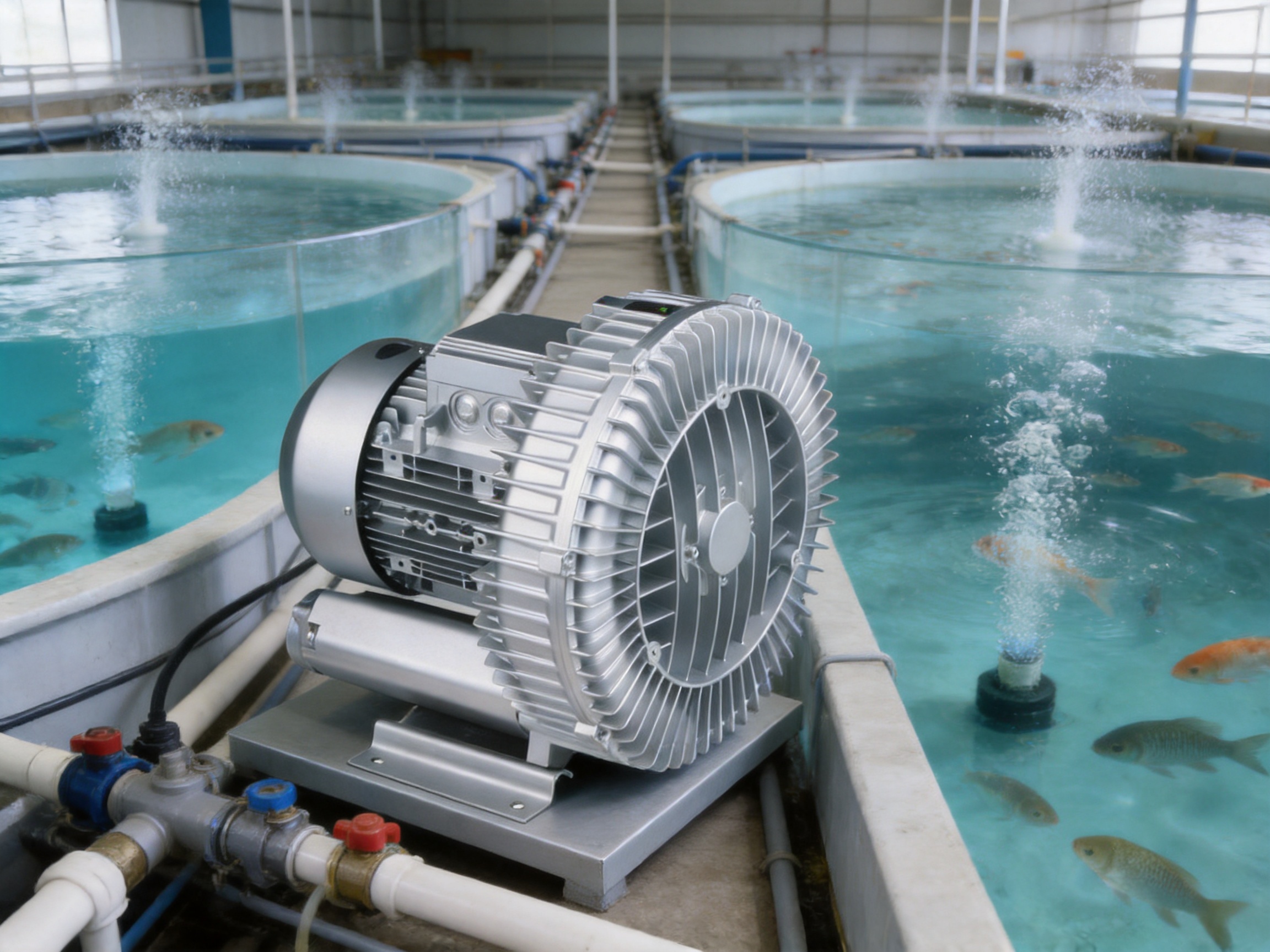
The PG-7500 provides an output of 700 m³/h, making it suitable for large-scale oxygenation. Air output does not directly equal dissolved oxygen transfer, because actual oxygen transfer depends on diffuser type, bubble size, water depth, contact time, temperature, salinity, organic load, and stocking density. However, a strong air supply is the foundation for effective oxygen transfer. Without enough air volume, even high-quality diffusers cannot perform properly.
In fish farming and aquatic holding facilities, oxygen demand can change rapidly. Feeding, high biomass, warm water, transportation stress, and microbial activity can all increase oxygen consumption. A high-capacity pump gives operators a wider safety margin. It allows more aeration points to be supplied and helps maintain dissolved oxygen during peak demand periods. This is one reason professional facilities prefer industrial air delivery equipment rather than relying on small pumps designed for light-duty use.
The strong output of the PG-7500 also supports water movement. Rising air bubbles create vertical circulation, helping reduce stagnant zones and improving the mixing of oxygen, nutrients, and temperature layers. In aquaculture ponds and holding tanks, better circulation can contribute to healthier water conditions and more uniform oxygen distribution.
Large public aquariums, ornamental fish exhibition systems, and commercial aquarium stores often contain many tanks operating at the same time. Each tank may require air stones, sponge filters, moving bed filters, or emergency aeration. Instead of installing separate pumps for every tank, operators can use a centralized air pump such as the PG-7500 with a distribution manifold. This helps maintain a clean installation layout and makes servicing easier.
Fish and shrimp farming operations need consistent oxygenation to support growth and survival. Aeration is especially important in intensive farming, where stocking density is high and biological oxygen demand rises quickly. The PG-7500 can be integrated into pond aeration systems, hatchery systems, nursery tanks, or recirculating aquaculture systems. Its pressure and output make it suitable for farms that require reliable air supply over long operating hours.
Restaurants, seafood markets, and live aquatic product distribution centers must keep fish, crabs, shrimp, shellfish, and other aquatic organisms alive before sale or processing. Poor oxygenation can lead to loss, odor, stress, and reduced product value. A professional air pump helps maintain water quality and animal vitality, especially when many holding tanks are connected.
Beyond aquarium and aquaculture uses, high-capacity air pumps are often used in wastewater aeration, water treatment, pneumatic mixing, and environmental equipment. The PG-7500’s pressure and output profile make it relevant for projects where air must be delivered continuously to water or process media. In such applications, stable aeration can improve biological reaction rates, reduce anaerobic conditions, and support more consistent treatment results.
Compared with small diaphragm air pumps, the PG-7500 provides far greater airflow, pressure, and service capacity. Diaphragm pumps are useful for small aquariums, but they are not intended for large manifolds, deep water, or continuous heavy-load industrial duty. Their airflow usually drops significantly under pressure, and their components may wear quickly when pushed beyond their intended capacity.
Compared with low-cost generic blowers, the PG-7500 offers a more professional combination of output, pressure reserve, and industrial construction. Many low-cost blowers may be attractive at first purchase, but professional users must consider total cost of ownership. A cheaper pump that overheats, loses output, requires frequent repair, or cannot maintain pressure may cost more in the long run. For aquaculture and commercial aquarium systems, reliability has direct economic value.
Compared with oversized high-power machines, the PG-7500 can be a more efficient choice for medium-to-large systems. Oversizing equipment may waste energy, increase noise, complicate pressure control, and raise purchase costs. The PG-7500 sits in a useful performance range, offering stronger capability than small units while avoiding unnecessary overcapacity for many installations. For buyers who need around 700 m³/h of airflow with strong pressure, it is a practical and balanced option.
Another competitive advantage is the availability of a wider product family. Because the PG Series includes models from 750 W up to 18000 W, users can select machines according to project size, expand later, or standardize equipment across multiple sites. This is helpful for engineering contractors and distributors who need consistent product options for different applications.
The company behind the PG Series has developed across multiple industries, including aquarium pets, aquaculture machinery, and industrial equipment. This broad background is important because a high-capacity air pump is not only an aquarium accessory; it is also a mechanical and electromechanical product that must meet practical industrial standards. Experience in aquatic systems, equipment manufacturing, quality management, and market service contributes to the overall reliability of the product.
Established in the mid-1980s, the manufacturer has accumulated decades of production experience. Long-term participation in aquarium and aquaculture markets gives the company a practical understanding of what users need: stable airflow, durable motors, quality control, serviceability, and product variety. The organization has developed functional departments such as research, quality control, personnel administration, financial management, and training systems. These departments support product development from concept to production and after-sales service.
The company’s manufacturing strength is also reflected in its scale. With multiple subsidiary corporations and trading companies, it has built a production and marketing network capable of serving both domestic and international customers. Large-scale manufacturing allows standardized production, improved supply consistency, and better ability to support distributors and project customers. For buyers of professional equipment, supply stability matters because spare parts, replacement units, and future expansion must be available.
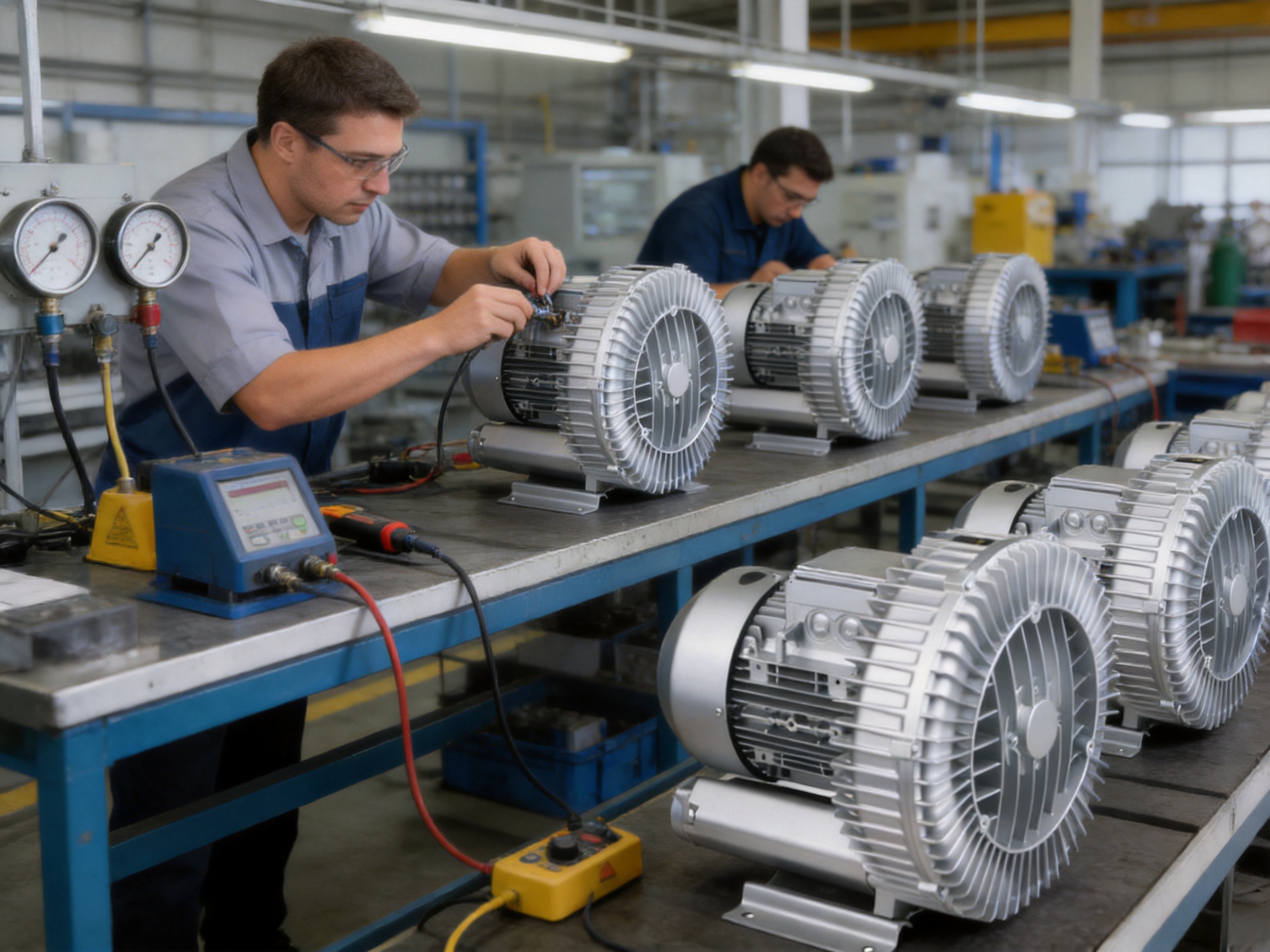
Advanced manufacturing is not limited to machinery. It also includes process control, quality inspection, material selection, component matching, and assembly discipline. A professional air pump requires accurate machining, stable motor integration, proper dynamic balance, secure housing assembly, and careful final inspection. These steps help reduce vibration, improve operating stability, and extend product life. In heavy-duty aeration equipment, small manufacturing errors can lead to noise, overheating, bearing wear, or reduced airflow, so process discipline is essential.
Quality control is a decisive factor for air pumps used in live aquatic systems. A pump failure in a decorative display may be inconvenient, but a pump failure in a stocked aquaculture facility can cause serious financial loss. For this reason, the PG-7500 must be evaluated not only by its performance figures but also by the manufacturer’s ability to maintain consistent quality across production batches.
A strong quality control process normally includes incoming material inspection, motor testing, rotor and impeller checks, assembly inspection, electrical safety verification, pressure and output testing, noise and vibration observation, and packaging review. Each step reduces the chance that defective equipment reaches the customer. For industrial air pumps, consistency is especially important because users may install several units across multiple locations and expect similar operating behavior from each one.
The company’s research and quality management structure supports continuous improvement. Customer feedback from aquarium stores, aquaculture farms, industrial users, and distributors can be returned to engineering teams for refinement. Over time, this feedback loop helps improve product design, packaging, operating stability, and service support. A manufacturer with a broad market presence is better positioned to identify real-world issues and improve its equipment accordingly.
To obtain the best performance from the PG-7500, proper installation is essential. The air pump should be installed in a clean, dry, ventilated equipment area. Because it is a high-power machine, it requires correct electrical connection and should be operated according to the specified 380 V/50 Hz supply conditions. Installation should be handled by qualified personnel, especially when the equipment is used in commercial or industrial environments.
Air pipelines should be sized correctly. If the pipe diameter is too small, friction loss will increase and airflow may be restricted. A well-designed main line, branch lines, valves, and diffusers will allow the PG-7500 to operate efficiently. The manifold should be arranged to balance airflow distribution, especially when supplying many tanks or ponds. Pressure gauges and control valves can help operators monitor and adjust system performance.
Non-return valves are recommended where water backflow could occur. In aeration systems, power interruption or pressure changes can sometimes allow water to move backward through air lines. Proper valve placement protects the pump and reduces maintenance risk. In larger systems, users may also install backup pumps, alarms, or automatic switching controls to maintain aeration if one unit stops unexpectedly.
Ventilation is also important. High-power equipment produces heat during operation, and adequate airflow around the machine helps maintain motor temperature and service life. The pump should not be enclosed in a sealed cabinet unless forced ventilation is provided. Dust and moisture should be controlled because they can affect mechanical and electrical components over time.
Energy consumption is one of the main considerations for continuous aeration. The PG-7500 has a rated power of 7500 W, so it should be selected for systems that genuinely require its output and pressure capability. When correctly matched to the application, it can be more practical than using many smaller pumps to achieve the same total airflow. However, if the system demand is much lower, a smaller model in the same series may be more appropriate.
Operating cost should be considered together with reliability, labor, maintenance, and livestock protection. The cheapest air source is not always the most economical. In aquaculture, poor aeration can reduce growth rates, increase disease risk, and cause mortality. In aquarium stores, unstable air supply can lead to customer-facing losses and reduced display quality. A professional air pump helps protect the value of the organisms and the reputation of the operation.
To improve energy efficiency, users should design the aeration system carefully. Oversized pipework can reduce friction loss, efficient diffusers can improve oxygen transfer, and balanced valve adjustment can prevent wasteful over-aeration in some tanks while others remain under-supplied. Regular maintenance also helps maintain efficiency because blocked filters, clogged diffusers, or leaking pipelines can force the pump to work harder than necessary.
Routine maintenance helps preserve performance and extend service life. Operators should inspect the pump regularly for abnormal noise, vibration, heat, or reduced airflow. Air inlets should be kept clean to prevent blockage. If intake filtration is used, filter elements should be cleaned or replaced according to operating conditions. Dusty environments require more frequent inspection.
Pipeline systems should also be checked. Air leaks, loose connectors, broken hoses, or clogged diffusers can reduce system efficiency. Because the PG-7500 can supply many aeration points, a small issue in the distribution network may affect overall balance. Periodic pressure checks help identify changes before they become serious problems.
Electrical connections should remain secure and protected from moisture. Any repair involving electrical components should be performed by qualified technicians. Operators should avoid unauthorized modifications because changes to wiring, motor protection, or housing structure may compromise safety and reliability.
Scheduled maintenance is especially important in facilities that operate twenty-four hours per day. Keeping a maintenance record can help identify patterns, plan service intervals, and prevent unexpected downtime. For critical aquaculture systems, backup aeration equipment should be available so livestock remain protected during maintenance or power interruptions.
Modern aquaculture depends on controlled water quality. Feed conversion, growth rate, survival, and disease resistance are all linked to environmental stability. Aeration is one of the most direct ways to support this stability. It increases oxygen availability, improves circulation, promotes biological filtration, and helps reduce stratification. The PG-7500 contributes to these goals by providing a strong, centralized air source for professional systems.
In intensive production, oxygen demand can change throughout the day. Photosynthesis may increase oxygen during daylight in some systems, while nighttime respiration can reduce dissolved oxygen sharply. Feeding events also increase oxygen demand because fish metabolism and microbial decomposition both rise. A high-capacity air pump gives operators more control during these fluctuations.
Aeration also supports emergency response. If oxygen levels drop due to weather, power instability, equipment malfunction, or excessive stocking density, additional aeration capacity can prevent losses. The PG-7500 can be part of a broader risk management strategy, especially when combined with monitoring equipment, alarms, backup power, and spare air delivery lines.
For distributors, the PG-7500 offers a product with clear professional value. It can be positioned for fish farms, aquarium projects, seafood markets, water treatment users, and equipment installers. Its specifications are strong enough to differentiate it from small consumer-grade pumps, while its place within the PG Series allows distributors to offer a complete selection for different project sizes.
For engineering contractors, product consistency and series availability are important. A contractor may design systems for small hatcheries, large tanks, deep ponds, and industrial water treatment facilities. Having access to a range of models allows the contractor to choose the correct unit rather than forcing one pump size into every project. The PG-7500 is especially useful where medium-to-large airflow is needed with solid pressure capability.
The manufacturer’s large production base, research structure, quality control process, and market network support long-term cooperation. Contractors and distributors need more than a product; they need stable supply, communication, technical understanding, and after-sales responsiveness. A company with decades of industry involvement is better equipped to provide these forms of support.
The PG-7500 is not the only model in the series, and correct selection depends on the system’s actual demand. Smaller models such as PG-750-L and PG-1100-L are suitable for smaller installations or lower airflow requirements. Mid-range models such as PG-3000-D, PG-4000-D, and PG-5500-D can serve moderate systems. The PG-7500 provides a step up in pressure and output, while larger models such as PG-11000, PG-12500, PG-15000, and PG-18000 are intended for more demanding high-volume installations.
Selection should consider total diffuser demand, water depth, pipeline length, required pressure, future expansion, duty cycle, and available electrical supply. Users should avoid choosing purely by motor power. A well-designed system matches airflow and pressure to actual resistance and oxygenation needs. In many cases, consulting equipment specialists before purchase can prevent under-sizing or over-sizing.
The PG-7500 is a strong candidate when the system requires a high airflow level near 700 m³/h, strong pressure reserve up to 60 kPa, and a compact industrial body size. It is especially practical for users upgrading from multiple smaller pumps to a centralized air system.
Safety begins with correct installation. Because the PG-7500 is a high-power electrical machine, installation should comply with local electrical standards and be performed by trained personnel. Grounding, overload protection, circuit protection, and moisture prevention are essential. The pump should be located where it is protected from direct water splash, flooding, excessive dust, and corrosive vapors.
Operators should not block the air inlet or outlet. Restricted airflow can increase temperature and reduce performance. The unit should be started and stopped according to operational guidance, and any unusual sound or vibration should be investigated promptly. If the pump is connected to a large manifold, valves should be adjusted carefully to avoid sudden pressure changes.
In critical livestock systems, redundancy is highly recommended. Even the best equipment can be affected by external factors such as power failure, blocked lines, or accidental damage. Backup pumps, emergency oxygen cylinders, battery-supported aeration, or generator systems can provide additional protection. The PG-7500 can serve as a primary machine in such a strategy, but responsible system design should always account for emergencies.
Efficient aeration contributes to better resource use. When oxygen is delivered effectively, aquatic organisms can feed and grow more efficiently, biological filtration can operate more completely, and water quality can remain more stable. This may reduce the need for emergency water changes, chemical intervention, or excessive labor. In water treatment and aquaculture, effective aeration can also support healthier microbial communities and more predictable system behavior.
The PG-7500’s role in centralized aeration can also reduce equipment complexity. Instead of dozens of small pumps operating independently, a facility can use a planned air supply network. This may simplify inspection, reduce scattered electrical connections, and support more organized production management. For professional operations, this kind of system-level efficiency is often more valuable than the specification of any single component.
The manufacturer’s long development history gives the PG Series a strong industrial foundation. Since its establishment in 1985, the company has expanded through continuous innovation in aquarium pets, aquaculture machinery, and industrial equipment. This combination of markets is relevant because the PG-7500 must meet the expectations of both aquatic users and industrial equipment buyers. It must be practical, durable, and suitable for real operating environments.
The company has built multiple functional departments, including research, quality control, training, administration, and financial management. This organizational structure supports stable product development and disciplined production. Research capability helps improve product design; quality control helps maintain performance consistency; training improves staff skill; and management systems support production planning and customer service.
Its network of subsidiaries and trading companies strengthens manufacturing capacity and market coverage. A broad industrial base helps ensure supply capability, product availability, and market responsiveness. For international buyers, this matters because professional equipment purchasing is often tied to long-term supply, spare parts planning, and distributor support.
The company’s strategy of technical development, market globalization, and brand internationalization reflects an emphasis on long-term growth rather than short-term sales. This is important for customers selecting equipment for systems expected to operate for many years. A manufacturer committed to continued innovation is more likely to improve models, support users, and maintain product lines over time.
The PG-7500 is designed to provide high-volume, stable air supply for large aquariums, aquaculture farms, seafood holding systems, water treatment equipment, and other applications requiring continuous aeration or pneumatic air delivery.
The PG-7500 operates at 380 V/50 Hz, has a rated power of 7500 W, provides pressure up to 60 kPa, reaches a vacuum level of -45 kPa, delivers air output of 700 m³/h, weighs 61 kg, and has dimensions of 547 × 451 × 464 mm.
Multiple small pumps can create complicated wiring, uneven airflow, higher maintenance effort, and limited pressure. The PG-7500 provides centralized high-capacity air supply, stronger pressure reserve, and better suitability for professional distribution systems.
Its 60 kPa pressure rating makes it suitable for many deeper or higher-resistance aeration layouts. Final suitability depends on actual water depth, diffuser resistance, pipeline length, and system design.
Yes. The PG-7500 is well suited for aquaculture applications where stable dissolved oxygen, water circulation, biological filtration, and emergency aeration capacity are important.
Users should confirm electrical supply, ventilation, pipe diameter, manifold design, diffuser demand, pressure requirements, and safety protection. Installation should be performed by qualified personnel.
The manufacturer has decades of experience, research capability, quality control systems, multiple production and trading organizations, and a broad market network. These strengths support stable production, product improvement, and service capability.
Not always. It is ideal for systems requiring approximately 700 m³/h output and strong pressure, but smaller or larger systems may require a different model. Proper selection should be based on actual airflow demand, pressure loss, water depth, and future expansion needs.
The PG Series Whirl Charging Airpump PG-7500 is a professional air delivery solution for users who need high airflow, strong pressure, industrial construction, and dependable continuous operation. With 7500 W power, 60 kPa pressure, -45 kPa vacuum capability, and 700 m³/h output, it is positioned as a strong choice for large aquariums, aquaculture farms, seafood holding systems, water treatment projects, and centralized aeration installations.
Its advantages over ordinary competing products are clear. It offers far greater capacity than small air pumps, stronger pressure performance than many low-cost blowers, and a more balanced size-to-output ratio than oversized machines for medium-to-large systems. When integrated into a well-designed air distribution network, it can improve oxygenation, simplify equipment management, support biological filtration, and reduce operational risk.
The product is further strengthened by the manufacturer’s long industry history, broad production base, research capability, quality control systems, and experience in aquarium, aquaculture, and industrial equipment markets. For buyers who value not only specifications but also manufacturing reliability and long-term support, the PG-7500 represents a practical and powerful aeration solution.
Boyd, C. E. Water Quality: An Introduction. Springer.
Timmons, M. B., Ebeling, J. M., Wheaton, F. W., Summerfelt, S. T., and Vinci, B. J. Recirculating Aquaculture Systems. Northeastern Regional Aquaculture Center.
Lawson, T. B. Fundamentals of Aquacultural Engineering. Springer.
Parker, R. Aquaculture Science. Cengage Learning.
Wheaton, F. W. Aquacultural Engineering. Wiley-Interscience.
Colt, J. and Watten, B. Applications of Pure Oxygen in Fish Culture. Aquacultural Engineering.
American Society of Agricultural and Biological Engineers. Standards for Aeration and Water Movement Equipment.



 English
 русский
 España
 Portugal
 عربي
عربي
 No. 61-79, Baima Street, Maao Town, Dinghai District, Zhoushan City, Zhejiang Province, China.
 0086 580 8082088 / 8081168
 0086 580 8080978
 songhua@sunsun-china.com