

 English
 русский
 España
 Portugal
 عربي
عربيAn aquarium full of healthy, active fish starts with one decision: choosing the right fish for the right system. Tank size, water chemistry, and temperament determine far more success than colour patterns or personal preference, and matching these three factors before you buy can save you weeks of troubleshooting later. This guide gives you a straightforward order of operations for selecting aquarium fish tank fish that will thrive in your home.
Content
Match Fish to Your Tank Size First
Tank size is the single most important factor when choosing aquarium fish tank fish, because it determines adult fish size, water stability, and how many fish your filter can support. Overstocking remains the most common cause of stress, disease, and aggression in home aquariums.
In tanks of 5 to 10 gallons, choose nano species such as a single betta, a pair of guppies, or a small group of platies. Their small bioloads suit compact spaces, but water in a small tank swings quickly, so weekly partial water changes are non-negotiable. The familiar "one inch of fish per gallon" rule is a helpful ceiling, not a promise; several small fish produce more waste than one longer fish of the same length.
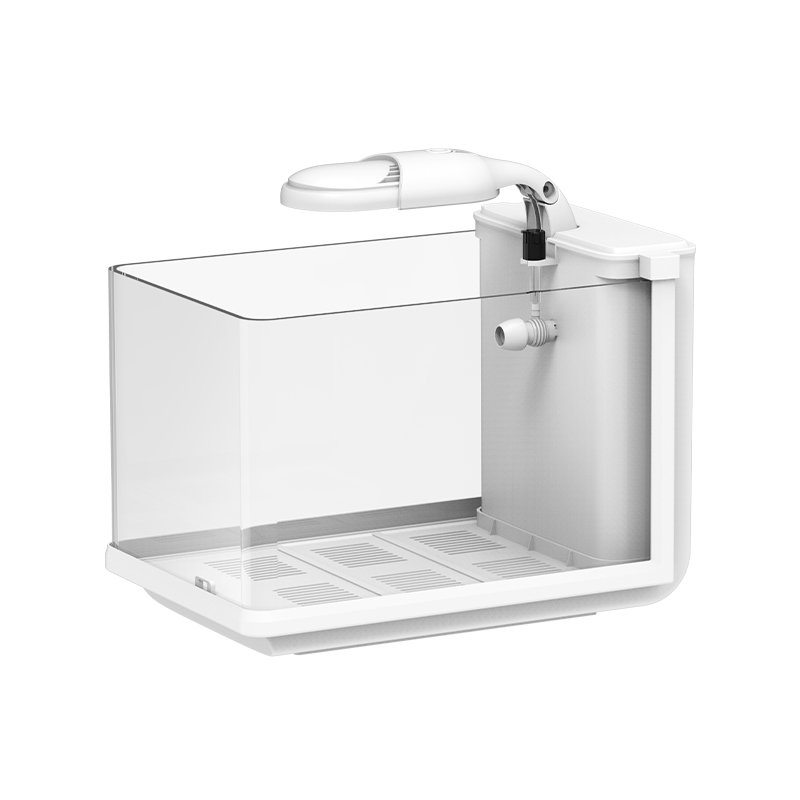 HSD-300 Tabletop Small Fish Tank for Compact AquariumsThis tabletop tank suits 5–10 gallon setups, offering a compact home for nano species like bettas or guppies while keeping small bioloads manageable with regular water changes.View Product →
Tanks of 20 to 50 gallons open the door to a true community. Cardinal tetras, zebra danios, harlequin rasboras, corydoras catfish, honey gouramis, and dwarf cichlids all fit this range comfortably. Keep schooling species in groups of at least six and limit yourself to a total of six to ten species with overlapping water preferences.
Tanks of 55 gallons and above can hold larger fish such as angelfish, rainbowfish, silver dollars, and most cichlids. Goldfish belong here too, since a common goldfish can reach 12 inches in length and needs at least 40 gallons on its own. If you are planning a large display, browse our range of aquariums and filtration systems to build a setup that matches the fish you intend to keep.
Understand the Water They Will Live In
Every fish species has a preferred range of temperature, pH, and hardness, and your water parameters must fall inside that range before you bring fish home. Temperature drives metabolism, pH affects stress levels, and hardness influences how easily fish maintain their internal salt balance.
Tropical fish generally need 24 to 28 °C, while goldfish prefer 18 to 24 °C and need no heater. Most freshwater aquarium fish accept a pH between 6.0 and 8.0, and far more fish are lost to rapid pH swings than to a slightly off but constant pH. Match new species to the water you can consistently provide rather than adjusting your water to suit a fish you find pretty.
| Species group | Temperature (°C) | pH range | Notes |
|---|---|---|---|
| Livebearers (guppy, platy, molly) | 22 - 28 | 6.8 - 8.0 | Hardy; tolerate harder water |
| Tetras and rasboras | 24 - 28 | 5.5 - 7.5 | Prefer soft, slightly acidic water |
| Danios | 18 - 26 | 6.5 - 8.0 | Cool-tolerant and active |
| South American cichlids | 25 - 29 | 6.0 - 7.5 | Territorial; need structure and space |
| Goldfish | 18 - 24 | 6.5 - 8.0 | High waste output; requires strong filtration |
The nitrogen cycle is the backbone of water quality, and new tanks need four to six weeks to establish beneficial bacteria that convert ammonia into nitrite and then into nitrate. Adding fish before the cycle completes is the leading cause of new-tank failure, so test ammonia, nitrite, and nitrate before the first purchase.
Match Temperaments Before You Match Colours
Compatibility depends on temperament, adult size, and habitat use, not just on whether two species look good together. Community fish mix broadly and peacefully; semi-aggressive fish may bully smaller tank mates; aggressive species are best kept alone or with fish large enough to defend themselves.
Several general cautions apply to every stocking decision. Individual fish have unique personalities, so even a normally peaceful species can surprise you. Size matters: any fish that fits inside another fish's mouth is potential food. Environmental factors such as current strength and temperature change behaviour, and natural habitat drives competition, so pair a surface-dweller with a bottom-dweller rather than two species that want the same territory.
- Community fish: guppies, neon tetras, cardinal tetras, harlequin rasboras, zebra danios, corydoras catfish, otocinclus, honey gouramis.
- Semi-aggressive fish: tiger barbs, red-tailed sharks, and most rainbowfish species (keep them in large schools).
- Aggressive or territorial: most South American and African cichlids, male bettas kept together, and koi in overcrowded ponds.
Avoid pairing slow, long-finned fish such as angelfish with fin-nippers like tiger barbs, and never keep two male bettas in the same tank. When in doubt, research the adult size and behaviour of every candidate before you buy.
Best Aquarium Fish Tank Fish for a Beginner
Hardy, peaceful, and social species are the best aquarium fish tank fish for a first tank, because they tolerate small variations in water chemistry and give you time to learn the rhythm of feeding and water changes.
For a nano tank of 5 to 10 gallons, start with one betta, or a small group of guppies or platies. Keep the count low and perform a weekly partial water change. If you are still deciding, our guide on how to choose the right fish species for a small fish tank narrows down your options.
For a mid-size community tank of 20 to 50 gallons, combine a schooling top-dweller (zebra danios or harlequin rasboras), a middle-dwelling tetra (neon or cardinal), and a bottom-dweller (corydoras catfish). This trio uses every layer of the tank and creates a lively but balanced display.
For a large tank of 55 gallons or more, angelfish, pearl gouramis, and rainbowfish are forgiving and rewarding. Add hiding spots with driftwood and rockwork, and introduce fish gradually so the filter can keep pace with the rising bioload.
Common First-Tank Mistakes and How to Avoid Them
Most aquarium problems share a handful of root causes, and every one of them is avoidable. Overstocking, premature fish introduction, incompatible species, and irregular maintenance account for the vast majority of failed tanks.
Overstocking is the easiest mistake to make. Extra fish mean extra ammonia, faster pH swings, and more aggression. Use the one-inch-per-gallon rule as an upper limit, but remember that waste production matters more than length. Adding fish before the tank has cycled is the next most common error; allow four to six weeks and verify that ammonia and nitrite are zero before the first purchase.
Mixing incompatible fish is a third problem. A fish that looks peaceful in the shop can claim territory aggressively once it settles in. And irregular water changes turn even a lightly stocked tank into a hazard. Change 10 to 25 percent of the water weekly or biweekly, rinse filter media in aquarium water instead of tap water, and feed only what the fish can consume in two to three minutes.
Filtration, Aeration, and Feeding
A filter, an air pump, and a consistent feeding routine form the operational core of a healthy aquarium. Filtration removes solid waste and houses beneficial bacteria; aeration keeps dissolved oxygen high; and controlled feeding prevents both starvation and pollution.
Choose a filter rated for your tank volume and biological load. For small and mid-size tanks, a hang-on-back filter combines mechanical, chemical, and biological filtration in a compact unit that is easy to maintain, making it a dependable starting point for most community aquariums.
 CBG Series Hang-On-Back Filter for Community TanksDesigned for small to mid-size aquariums, this hang-on-back filter provides mechanical, chemical, and biological filtration in a compact, easy-to-maintain unit—ideal as a reliable starting point for most community setups.View Product →
An air pump is not mandatory in every aquarium, but it is a useful safety net in warm, heavily stocked tanks and a major stress reducer for species that prefer high oxygen levels. A stream of fine bubbles creates surface agitation that drives gas exchange and keeps dissolved oxygen steady through the night.
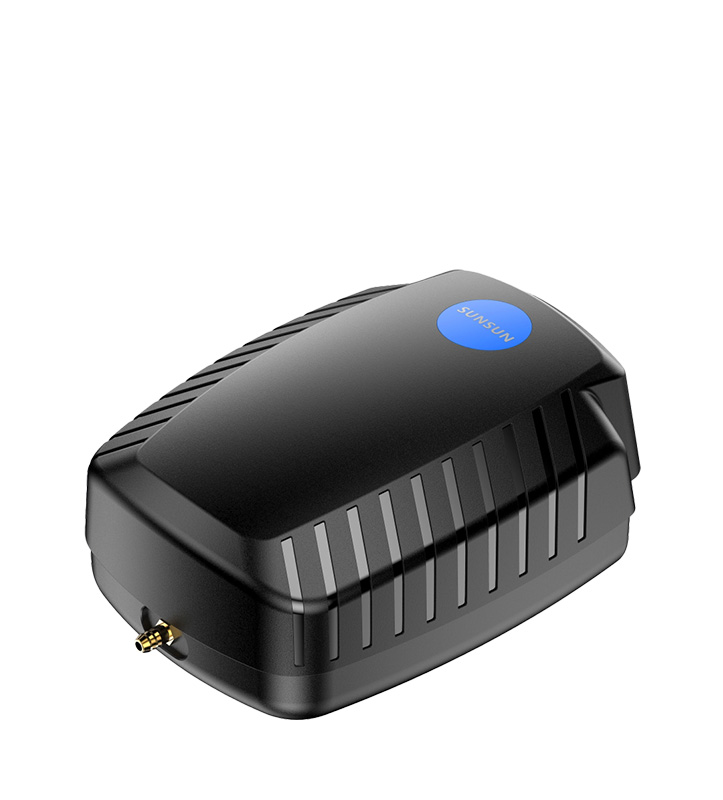 CAP Series Magnetic Vibration Air Pump with Rainproof DesignThis air pump offers strong airflow for nano bubble discs, with a non-slip cushion and rainproof build. It supports surface agitation and oxygen stability in warm, heavily stocked tanks or outdoor ponds.View Product →
On feeding, offer small portions once or twice daily, remove uneaten food after a few minutes, and rotate between quality flakes, pellets, and occasional frozen or live foods. Overfeeding remains the most common water-quality killer because uneaten food decays into ammonia.
Frequently Asked Questions
How many fish can I keep in my aquarium?
Use one inch of adult fish per gallon as the upper limit, then reduce the number for heavy waste producers and territorial species. A 20-gallon community tank can hold roughly 15 to 20 inches of small fish; a 5-gallon tank should hold one or two small fish at most.
Can I mix fish species from different families?
Yes, provided they share temperature and pH requirements and none of them will treat another as food. Build a balanced community with a schooling mid-layer, a surface-dweller, and a bottom-dweller to use the whole tank efficiently.
How long should I wait before adding fish to a new tank?
Cycle the filter for four to six weeks until ammonia and nitrite read zero. Then add a few hardy fish first and increase the population slowly over the following weeks to let the filter adjust.
Does every aquarium need an air pump?
No. A filter that agitates the water surface can supply enough oxygen for a lightly stocked tank. An air pump becomes important in warm water, heavily stocked tanks, large cichlid systems, and as a backup when the filter needs cleaning or fails.

 No. 61-79, Baima Street, Maao Town, Dinghai District, Zhoushan City, Zhejiang Province, China.
 0086 580 8082088 / 8081168
 0086 580 8080978
 songhua@sunsun-china.com