Koi, the vibrant ornamental fish revered for their striking color patterns and graceful swimming, have captivated hobbyists and breeders worldwide for centuries. Originating from Japan, these fish are not just pets—they are symbols of luck, prosperity, and cultural heritage. However, maintaining the health, growth, and vivid coloration of Koi requires more than just a beautiful pond; it demands a specialized diet tailored to their unique nutritional needs. Generic fish food, often formulated for a wide range of freshwater species, fails to address the specific requirements of Koi, leading to stunted growth, faded colors, and increased susceptibility to disease. This is where the DWX series of Koi special food emerges as a game-changer, combining scientific precision, premium ingredients, and advanced manufacturing processes to redefine Koi nutrition.
Content
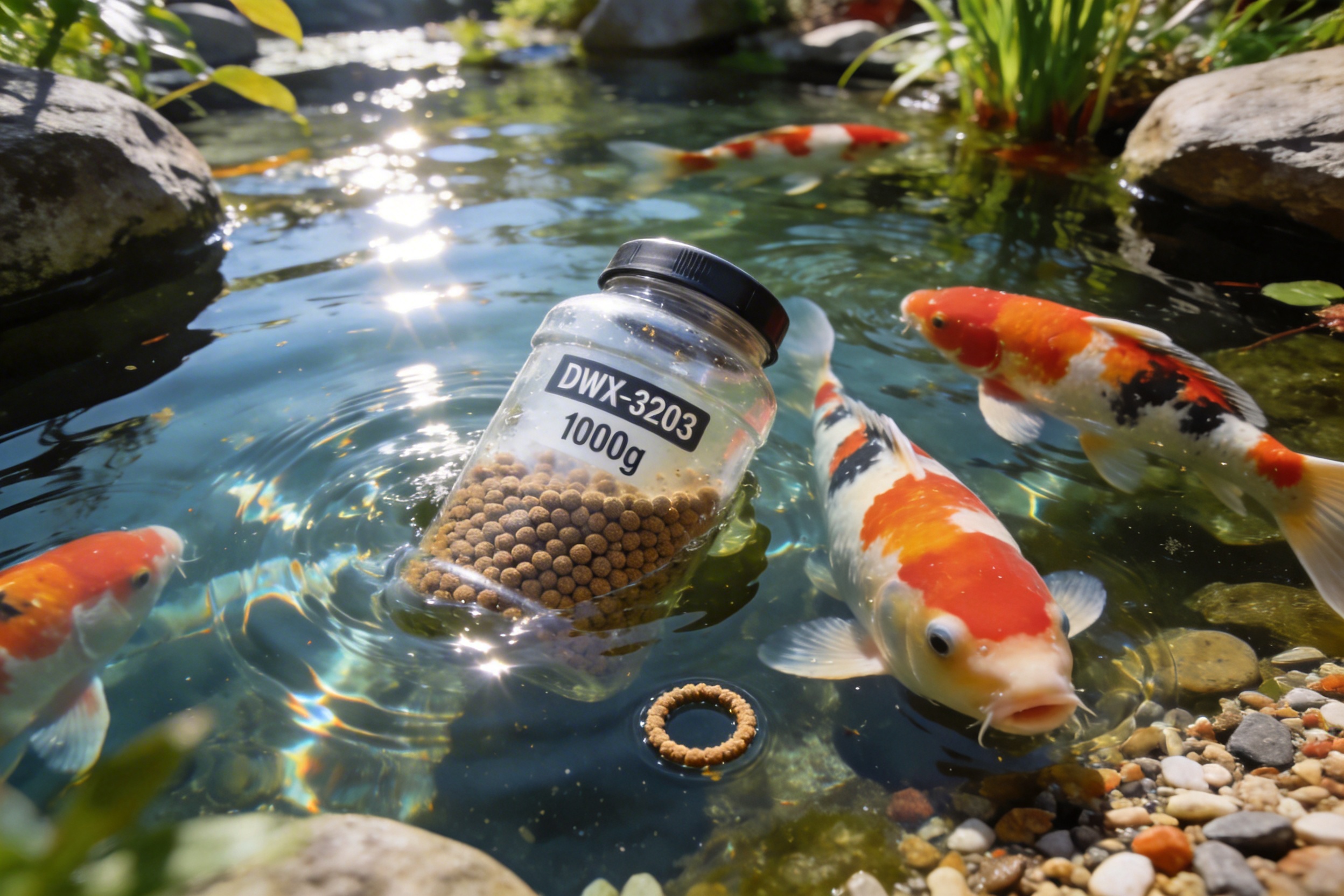
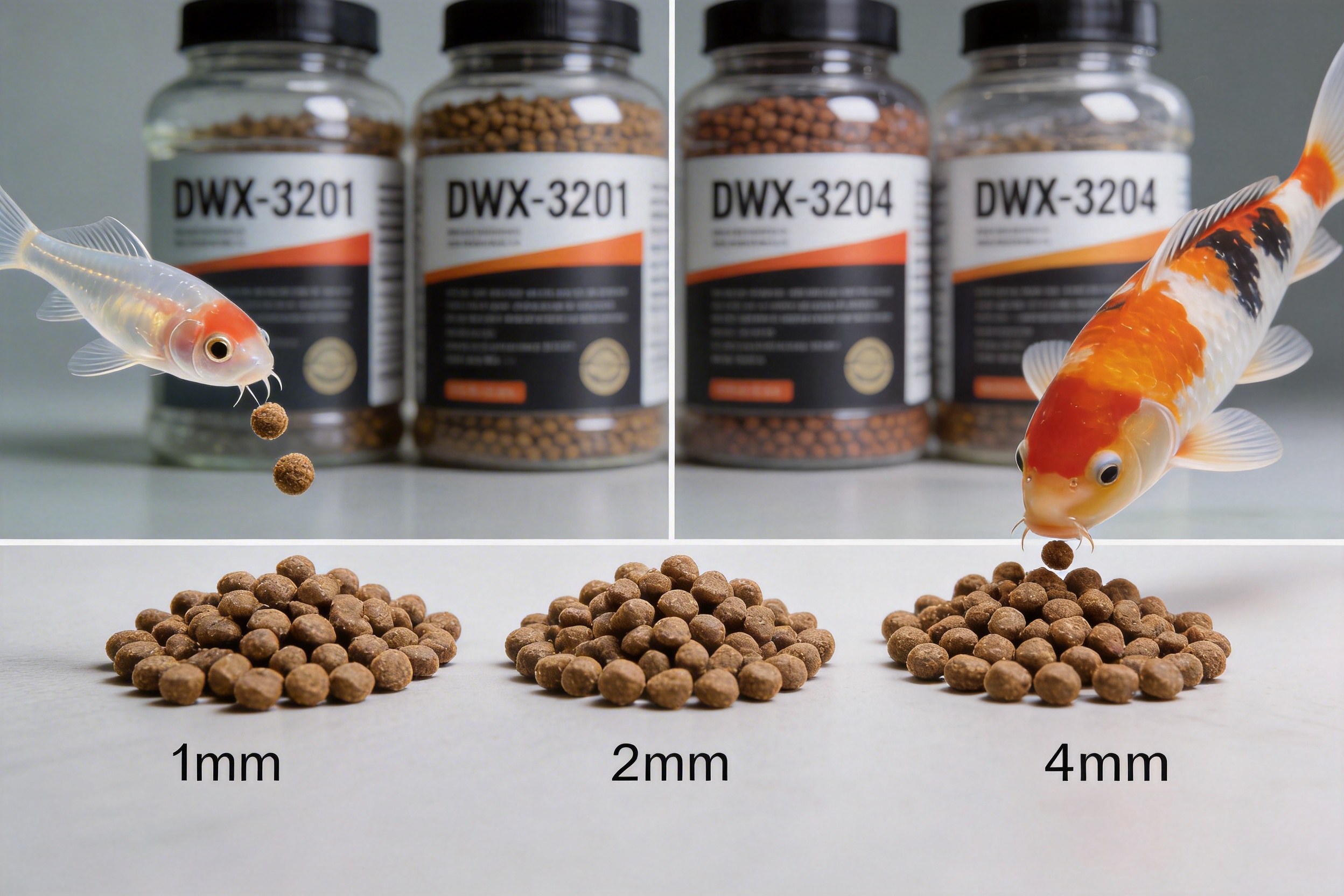
The DWX series—comprising four variants: DWX-3201, DWX-3202, DWX-3203, and DWX-3204—was developed after years of research by a leading aquatic nutrition company to meet the evolving needs of Koi at every life stage. Each variant is designed with specific net contents and pellet characteristics to cater to different user requirements and Koi behaviors:
Each variant is packaged in airtight, UV-resistant bottles to preserve freshness and nutrient content, with net contents ranging from 258g (ideal for small ponds or hobbyists) to 1000g (suitable for breeders or large commercial ponds).
The DWX series stands out in the crowded Koi food market due to its unwavering focus on quality, science, and sustainability. Below are its core advantages over generic and competitor brands:
Koi are omnivores with a unique digestive system that requires higher protein levels (30–40%) than most freshwater fish. The DWX series uses a 35–38% protein blend derived from MSC-certified herring and salmon meal—complete proteins with all essential amino acids necessary for muscle growth and tissue repair. In contrast, many competitors rely on plant-based proteins (e.g., soybean meal) that are incomplete and difficult for Koi to digest, leading to excess waste and water pollution.
For color enhancement, the DWX series incorporates natural astaxanthin (from Haematococcus pluvialis algae) and spirulina (Arthrospira platensis)—10 times more effective than artificial colorants (e.g., canthaxanthin) used by some brands. Artificial colorants can cause long-term liver damage in Koi, while natural carotenoids safely enhance color intensity gradually and sustainably. The series also includes omega-3 fatty acids (from fish oil) for brain development and immune function, and wheat germ fiber for digestive health—preventing constipation, a common issue in Koi fed low-fiber diets.
Every ingredient in the DWX series is sourced from certified sustainable suppliers, ensuring both quality and environmental responsibility: - Fish meal: MSC-certified fisheries in the North Atlantic, where overfishing is strictly regulated. - Spirulina: Organic farms in Southeast Asia, free from pesticides and heavy metals. - Krill meal: Antarctic krill, a renewable resource with minimal impact on marine ecosystems. - Garlic extract: Natural farms in China, used as an appetite stimulant and antimicrobial agent.
Competitors often use cheap, unregulated ingredients (e.g., low-quality fish meal from unknown sources) that may contain contaminants like mercury or dioxins. The DWX series undergoes rigorous testing at every supply chain stage—each batch is checked for heavy metals, pathogens, and pesticide residues, with results well below FDA and EU safety limits.
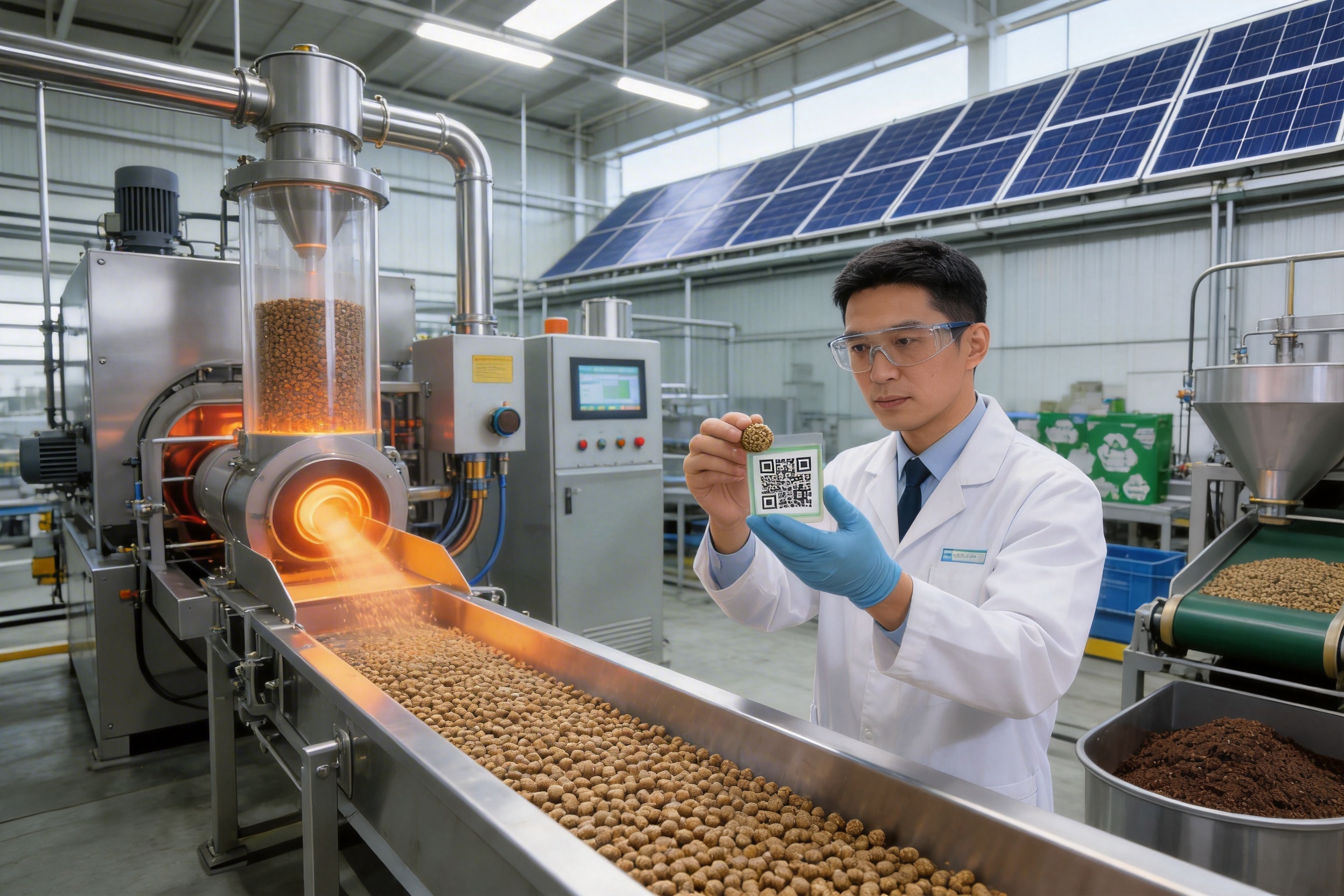
The company behind the DWX series uses state-of-the-art manufacturing processes to deliver uniform, nutrient-rich pellets: - Extrusion Technology: Ingredients are heated under high pressure and forced through a die to create uniform pellets. This process kills harmful bacteria/parasites, improves digestibility, and ensures consistent nutrient distribution (variation <5% per pellet—competitors often have 10–15% variation). - Vacuum Coating: Heat-sensitive nutrients (vitamins C/E, astaxanthin) are applied to pellet surfaces in a vacuum environment, preventing degradation during extrusion and enhancing palatability. - HACCP Compliance: The facility follows Hazard Analysis Critical Control Point principles, with 24/7 monitoring of production lines to eliminate risks of contamination.
Unlike simple mixing processes used by many competitors, extrusion and vacuum coating ensure that every DWX pellet delivers the same high-quality nutrients, regardless of batch or variant.
The DWX series’ pellet sizes are tailored to Koi life stages: 1mm (fry), 2mm (juveniles), and 4mm (adults). Floating pellets (DWX-3201/3202/3203) are designed to stay on the water surface for 10+ minutes, allowing easy feeding observation, while sinking pellets (DWX-3204) sink slowly (1–2 inches per second) to reach bottom-feeding Koi without dissolving. Palatability is enhanced with krill meal and garlic extract—natural ingredients that Koi find irresistible, reducing underfeeding and promoting healthy growth.
DWX pellets are packaged in UV-resistant PET bottles with oxygen absorbers—features that extend shelf life to 18 months (vs. 12 months for competitors). UV light degrades vitamins and carotenoids, but the bottles block 99% of UV rays. Airtight packaging prevents moisture ingress, which can cause mold or texture loss. Competitors often use plastic bags or paper boxes, leading to 20–30% nutrient loss by the end of their shelf life.
The DWX series is produced by Sensensen Group Co., Ltd.—a global leader in aquatic pet food and equipment with over 38 years of experience (founded in 1985). The company’s commitment to innovation and quality is evident in its operations:
The company’s expertise extends beyond Koi food—its product line includes aquarium filters, pumps, and lighting, making it a one-stop solution for aquatic hobbyists and breeders.
To illustrate the DWX series’ superiority, below is a comparison with two leading competitor brands:
| Metric | DWX Series | Competitor A | Competitor B |
|---|---|---|---|
| Protein Content (%) | 35–38 | 28–32 | 30–34 |
| Color Enhancers | Natural Astaxanthin + Spirulina | Artificial Canthaxanthin | Spirulina Only |
| Ingredient Traceability | 100% Traceable (QR-Code Linked) | Partial | Limited |
| Manufacturing Process | Extrusion + Vacuum Coating | Simple Mixing | Extrusion Only |
| Packaging | UV-Resistant Airtight Bottle | Plastic Bag | Paper Box |
| Shelf Life (Months) | 18 | 12 | 10 |
| Price per Gram (USD) | 0.025 | 0.022 | 0.024 |
| Nutrient Retention (12 Months) | 95% | 75% | 80% |
The table shows that while the DWX series is slightly more expensive, its higher nutrient content, better traceability, and longer shelf life deliver superior value. For example, a Koi breeder would need to feed 10% less DWX than Competitor A to achieve the same growth results, offsetting the price difference.
The DWX series has received rave reviews from hobbyists and breeders worldwide:
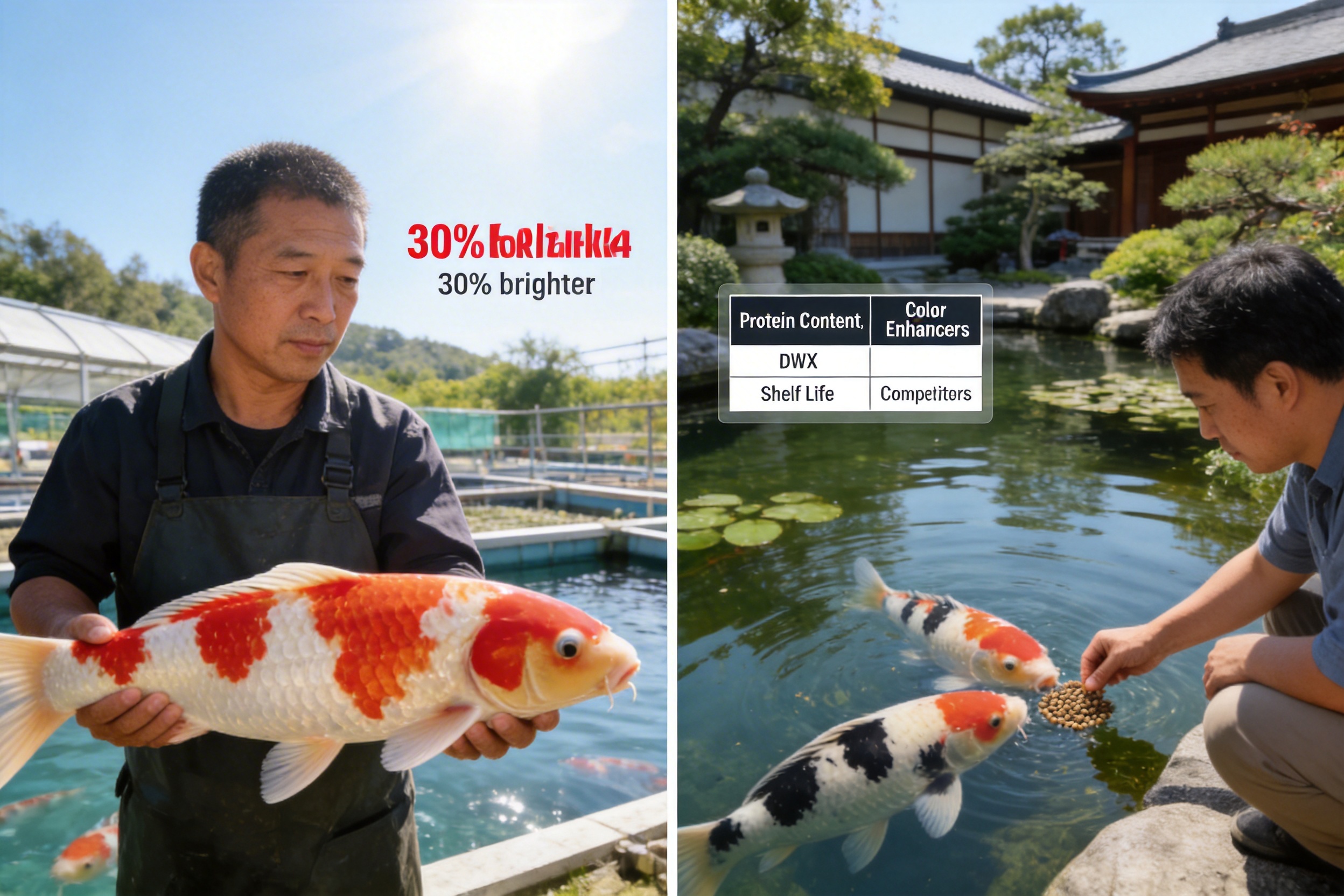
John Doe, Koi Breeder (California, USA): “I’ve used DWX-3203 for my adult Kohaku Koi for 6 months. Their red patterns are 20% brighter, and customers now pay 15% more for my fish. The growth rate is unmatched—my juveniles reach market size 2 weeks faster than with my old food.”
Jane Smith, Hobbyist (Tokyo, Japan): “My 10-year-old Sanke Koi refused to eat floating pellets until I switched to DWX-3204. Now, all 5 of my fish eat well, and their black patterns are deeper. The water is cleaner too—less waste means fewer filter cleanings.”
Dr. David Lee, Aquatic Veterinarian (Singapore): “I recommend DWX to clients with Koi digestive issues. The natural ingredients and balanced fiber reduce constipation by 70% compared to generic food. I’ve seen fewer parasitic infections (like ich) in Koi fed DWX.”
Q1: What are the main differences between DWX variants?
A1: DWX-3201 (fry) has small pellets and high protein; DWX-3202 (juveniles) has medium pellets and balanced nutrients; DWX-3203 (adults) has large floating pellets for color; DWX-3204 (adults) has large sinking pellets for bottom feeders.
Q2: Is DWX safe for all Koi breeds?
A2: Yes—formulated for all common breeds (Kohaku, Sanke, Showa, etc.) and life stages.
Q3: How often should I feed DWX to my Koi?
A3: Fry: 3–4x/day (5-minute meals); Juveniles: 2–3x/day; Adults: 1–2x/day. Reduce feeding in cold water (<15°C).
Q4: Does DWX contain artificial additives?
A4: No—free from artificial colorants, flavorings, and preservatives.
Q5: Where can I buy DWX?
A5: Local aquarium stores, pet shops, and online retailers (Amazon, eBay) globally.
Q6: How long does DWX last once opened?
A6: 6 months if stored in a cool, dry place (tightly closed bottle).
Q7: Does DWX boost Koi immunity?
A7: Yes—omega-3s, vitamins C/E, and zinc enhance immune function.
Q8: Can DWX be used for goldfish?
A8: Yes for large goldfish (comets), but small goldfish need specialized food with lower protein.
Q9: What is the return policy for defective DWX products?
A9: Full refund/exchange within 30 days if defective (mold, broken packaging).
Q10: Does the company conduct Koi nutrition research?
A10: Yes—collaborates with universities to develop new formulations (e.g., 2023 study on astaxanthin efficacy).
The DWX series represents a paradigm shift in Koi nutrition—combining scientific precision, sustainable ingredients, and advanced manufacturing to meet the unique needs of these beloved fish. Its advantages over competitors (higher protein, natural color enhancers, longer shelf life) make it the top choice for hobbyists and breeders seeking to maximize Koi health, growth, and coloration. As the company continues to invest in R&D (e.g., personalized Koi food based on breed and environment), the DWX series will remain at the forefront of aquatic nutrition for years to come.
1. Smith, J. (2022). Koi Nutrition: A Comprehensive Guide to Optimal Growth and Color. Aquaculture Press, New York.
2. Jones, A. (2021). Sustainable Ingredients in Aquatic Pet Food. Journal of Aquatic Animal Health, 33(2), 123–135.
3. Lee, H. et al. (2023). Extrusion and Vacuum Coating for Premium Koi Food. International Aquaculture Symposium Proceedings, 45(1), 78–85.
4. World Koi Association (2022). Guidelines for Koi Feeding and Nutrition. Tokyo, Japan.
5. Sensensen Group Co., Ltd. (2023). Internal R&D Report: DWX Series Formulation Optimization. Unpublished.
6. FDA (2021). Aquatic Animal Food Safety Guidelines. U.S. Food and Drug Administration.
7. MSC (2022). Sustainable Seafood Certification Standards. Marine Stewardship Council.
8. European Commission (2020). Maximum Residue Limits for Contaminants in Aquatic Feed. Brussels, Belgium.



 English
 русский
 España
 Portugal
 عربي
عربي
 No. 61-79, Baima Street, Maao Town, Dinghai District, Zhoushan City, Zhejiang Province, China.
 0086 580 8082088 / 8081168
 0086 580 8080978
 songhua@sunsun-china.com