If you brought home a betta from a pet store and dropped it into a small bowl, you more than likely saw it lying on the bottom within a few days. Siamese fighting fish (Betta splendens) look tolerant of poor conditions, but they are actually hardy only when their environment is built around their specific needs. The key to a long-lived, colorful, active betta is not one secret product; it is a deliberate setup that combines a sufficiently large tank, stable temperature, low-flow filtration, and gentle oxygen exchange. This guide explains what those four elements do, what tolerance ranges matter, and how to avoid the mistakes that turn a beautiful fish into a stressed one.
Content
The Siamese fighting fish is a labyrinth fish native to the shallow rivers, rice paddies, and slow-moving waters of Southeast Asia. Its name comes from the historical practice of pitting males against each other for fighting contests, but the same territorial instinct means male bettas cannot be kept in the same tank. There are more than 70 species in the genus Betta, but when people say "fighting fish," they usually mean Betta splendens, the species most commonly sold for home aquariums.
For a single fighting fish, a 10-liter container will keep it alive, but a 20-liter tank is the practical minimum for stable water chemistry and a natural swimming space. A larger volume of water dilutes waste and keeps temperature swings smaller. Bowls and tiny vases fail on both counts, and they also create a distorted view of the tank, which stresses the fish.
A seasoned aquarist usually chooses a long tank over a tall one. Betta fish need linear swimming room and access to the surface, not depth. A rectangular tank also gives you more surface area for gas exchange, which helps dissolved oxygen stay above the danger level even when the air pump is off for a short time.
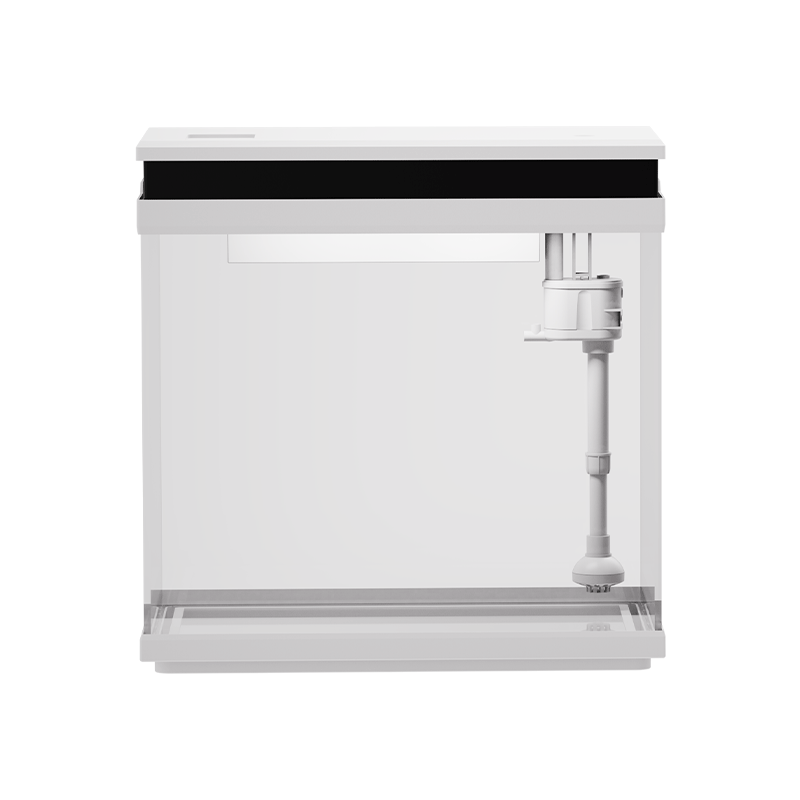 Desktop small fish tank for betta with adequate swimming spaceThis compact tank offers the linear swimming room bettas need, while its design supports surface gas exchange. Its rectangular shape helps maintain oxygen levels even when the air pump is off briefly.View Product →
Most betta health problems trace back to ammonia and nitrite toxicity, not to a mysterious disease. A tank without a biological filter is a closed suitcase for fish waste. The bacteria that convert ammonia to nitrite and then to nitrate need time to establish, and they also need a constant flow of oxygenated water to thrive.
The practical goal is to keep ammonia and nitrite at 0 ppm at all times. Nitrate can be tolerated up to 40 ppm, but 20 ppm or lower is better for long-term fin health.
| Parameter | Target Range | Why It Matters |
|---|---|---|
| Temperature | 24°C to 28°C | Supports metabolism and immune function |
| pH | 6.5 to 7.5 | Most stable in this range, outside which fish lose osmoregulation |
| Ammonia | 0 ppm | Causes gill and organ damage above 0 |
| Nitrite | 0 ppm | Very toxic, damages blood's ability to carry oxygen |
| Nitrate | Below 20 ppm | High levels stress fish and encourage algae |
| Hardness | 5 to 18 dGH | Wide range accepted, but sudden changes cause stress |
An air pump is not always strictly necessary in a betta tank because the fish has a labyrinth organ to breathe atmospheric air. However, the pump is the cheapest insurance against the two things that kill fish quietly: oxygen depletion from temperature spikes and the stagnation of water that concentrates waste around dead zones.
If you use a sponge filter, an air pump is mandatory because it is the pump that drives the water through the sponge. If you use a hang-on or submersible filter, an air pump still adds enough surface agitation to keep dissolved oxygen at saturation and drives off carbon dioxide. The flow should not produce a strong current that makes the fish struggle to eat or swim.
 Electromagnetic air pump for reliable aeration in aquariumsThis air pump drives sponge filters and keeps water oxygenated, ensuring beneficial bacteria thrive. It also prevents carbon dioxide buildup without creating a strong current that disturbs fish.View Product →
A heating rod is not optional for a fighting fish in a room that ever drops below 22°C. The species comes from a tropical climate and uses water temperature to regulate its digestion and immunity. A sudden cold snap, or an unheated tank during winter, is the classic trigger for ich, velvet, and fin rot.
Select a heater with an automatic thermostat and an indicator light. For a 20-liter tank, a 25-watt heater is enough as long as it is placed near a low-water-flow area but not against the glass. Mount it with a suction cup to prevent temperature shock when the thermostat kicks on, and always place the thermometer at the opposite end of the tank to get a true average reading.
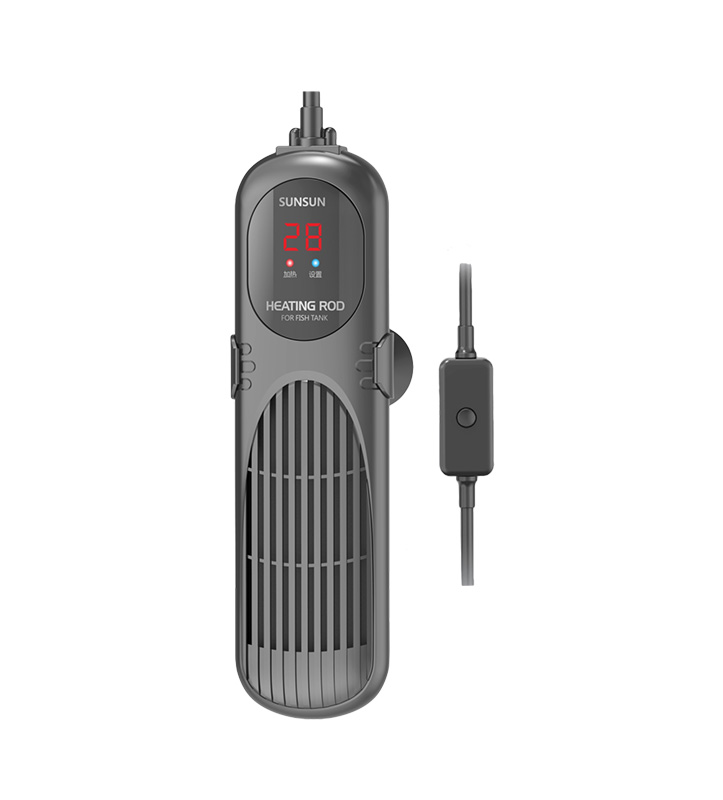 Aquarium glass heater with thermostat for tropical fishThis heater maintains a stable tropical temperature, essential for betta digestion and immunity. With an automatic thermostat and indicator light, it helps prevent cold-related diseases like ich and fin rot.View Product →
Bettas are carnivorous, and their digestive tract is shorter than that of herbivorous fish. A diet based on plant flakes or generic fish food leads to bloat and constipation. Feed a high-protein pellet designed for bettas as the staple, then supplement with frozen or thawed brine shrimp, bloodworms, or daphnia.
Feed once or twice a day, only what the fish will consume in about two minutes. Overfeeding is the second most common cause of early death after unstable water quality. It produces uneaten food that decays and spikes ammonia. When in doubt, feed one small meal per day.
Many inexperienced keepers feed their fish twice as much as needed because bettas look hungry all the time. That constant begging is partly learned behavior and likely connected to increased activity rather than actual starvation. A balanced amount supports a longer life with fewer digestive problems and cleaner water.
Most mistakes in fighting fish care are repeated across hobbyist forums and even in some pet shop displays. Below are the most common ones, with a practical way to correct each.
Males cannot live with other males at all. They can also live peacefully with some tankmates, but the choice is limited by temperament. Small, fast shoaling fish such as pygmy corydoras can work; slow-moving species with long fins will trigger aggression. Bottom-dwelling scavengers like small snails and shrimp are usually ignored, but some bettas will eat baby shrimp.
All tankmates should be introduced into a tank that is already cycled and heavily planted. Plants such as Anubias, Java fern, and moss let the betta hide if it feels threatened, and they also absorb nitrate.
If the filter already provides adequate surface agitation and the tank is fully stocked, an air pump is not strictly necessary. However, it still offers the benefit of maintaining oxygen levels and driving sponge filters. If you notice your fish regularly gulping at the surface, add an air pump or increase surface movement.
Technically yes, but the animal will likely live only a few months because ammonia accumulates quickly in a tiny closed space. A long-lived, healthy fish needs a filter, a heater, and a stable biological cycle.
This behavior usually points to cold water, high ammonia, or a bacterial infection. Check the water temperature first, then test ammonia and nitrite, and perform a partial water change with dechlorinated water before considering medication.
Small, fast, and bottom-dwelling species are safest. Avoid other labyrinth fish, large fish, or anything with flashy fins and a similar body shape. Snails and shrimp can also be safe, though a hungry betta may eat small shrimp.
Once a week, change about 20% to 30% of the water, siphon out debris from the bottom, and wipe the glass. Clean the filter media only as needed and never with tap water, as the chlorine will kill beneficial bacteria.
Dechlorinated, temperature-stable water with a pH between 6.5 and 7.5 and low hardness. If your tap water is very hard or heavy in minerals, use an RO/DI blend or purified water and add a water conditioner to help protect the fish's slime coat.
Set up the tank before you buy the fish. Cycle it for at least two weeks, maintain the temperature with a thermostat-equipped heater, and install a filter with a gentle flow. Add a soft light, a few plants for cover, and a clean source of oxygen. Then, introduce a single male. Feed a small amount of protein-rich food once or twice daily and keep the tank away from direct sunlight.
Understanding the fight fish's actual tolerance range and metabolic habits makes caring for it fundamentally simpler. Once you see it building a bubble nest, the water is usually right, and the fish can keep its bright color and active behavior for years.



 English
 русский
 España
 Portugal
 عربي
عربي No. 61-79, Baima Street, Maao Town, Dinghai District, Zhoushan City, Zhejiang Province, China.
 0086 580 8082088 / 8081168
 0086 580 8080978
 songhua@sunsun-china.com