

 English
 русский
 España
 Portugal
 عربي
Bettas are compatible with calm, small tropical fish that leave long fins alone: corydoras catfish, ember tetras, neon tetras, harlequin rasboras, kuhli loaches and otocinclus, plus nerite snails — and cherry shrimp in many tanks. Everything after that is detail. The water has to sit at 24–28 °C, the tank needs roughly 60–75 litres before a second species moves in, and the individual betta has to be one of the relaxed ones.
Compatibility here means three things matching at once: water parameters (temperature, pH, hardness), feeding and territory with no direct competition, and behaviour that does not trigger a betta's aggression — no fin nipping, no chasing, no hovering in the top third of the tank where a betta normally claims space. A peaceful fish can still be a poor match, and a slightly pushy fish can still work in a large, heavily planted tank. When two species are borderline, size decides the outcome: anything small enough to be eaten eventually will be.
Content
The Short Answer: Species That Usually Work
Most successful betta communities are built from three groups — a small schooling fish for the middle of the tank, a bottom crew, and one or two algae eaters — kept at a temperature both species tolerate.
| Species | Temperature | Adult size | Zone | Notes |
|---|---|---|---|---|
| Corydoras catfish | 22–26 °C | 5–7 cm | Bottom | Keep 6 or more; smooth sand, no sharp gravel |
| Ember tetra | 24–28 °C | 2–3 cm | Middle | Closest size match; dull colour, no interest in fins |
| Neon tetra | 22–26 °C | 3–4 cm | Middle | Aim for the 25 °C overlap; schools tightly |
| Harlequin rasbora | 23–27 °C | 4–5 cm | Middle | Fast and focused on its own group; keep 8 or more |
| Kuhli loach | 24–30 °C | 8–10 cm | Bottom | Needs a tight lid and sand; group of 5 or more |
| Otocinclus | 22–27 °C | 4–5 cm | Glass and plants | Only in mature tanks with biofilm; groups of 4 or more |
| Nerite snail | 22–28 °C | 2–3 cm | Glass and décor | Very low waste load; almost no risk to the betta |
| Cherry shrimp | 20–26 °C | 2–3 cm | Bottom | Adults usually survive; shrimplets get eaten |
The word "usually" is carrying a lot of weight in that table. Two bettas of the same age and colour can behave completely differently, and a fish that ignores shrimp for six months may clear the entire colony in a weekend. Treat every list — including this one — as a starting point, then watch your own tank for a fortnight before adding anything else.
Why Temperament Beats Any Compatibility Chart
A betta reacts to shape and movement rather than to species labels, which is why the chart can only tell you where to start.
- Flowing fins read as a rival. Bettas are triggered by long, trailing finnage, so guppies, fancy goldfish and other long-finned species get chased and nipped from both directions.
- The top third belongs to the betta. Surface dwellers such as hatchetfish, gouramis and some danios occupy exactly the space a betta patrols, and the confrontation is constant rather than occasional.
- Body shape matters more than size. Gouramis, dwarf cichlids and other deep-bodied fish resemble a betta closely enough to trigger territorial flaring and attacks.
- Fast eaters starve slow ones. Bettas are deliberate feeders; active tetras and barbs will clear a portion before the betta realises food was added.
- Tank size changes behaviour. The same betta that terrorises a 40-litre tank often settles down in 120 litres with dense planting and clear sight breaks.
Water parameters are the non-negotiable part. A betta kept at 26 °C will be stressed by white cloud mountain minnows or goldfish that want 18–22 °C, no matter how peaceful those fish are. If you are still deciding on stocking, choosing fish for a small tank covers how bioload and adult size should shape the shopping list.
Tank Volume Decides How Many Species Fit
Tank volume sets the ceiling on compatibility long before temperament does — below about 60 litres, the honest answer is a betta on its own.
| Tank volume | Realistic stocking | Comment |
|---|---|---|
| 38–45 L (10–12 gal) | Betta plus one nerite snail | No schooling fish; too little swimming room and too much waste |
| 60–75 L (16–20 gal) | Betta plus 6–8 ember tetras or harlequin rasboras | The practical minimum for a community |
| 90–120 L (24–30 gal) | Betta plus a school plus 6 corydoras plus a snail | Room for retreats, plants and a gentle flow |
| 150 L and above | Several groups, bottom crew and algae eaters | Aggression is diluted by space and sight breaks |
Betta Tank Mates to Avoid
Some combinations fail often enough that they should be treated as rules rather than risks.
- Any second betta. Male with male, and male with female outside a controlled breeding setup, reliably ends in injury.
- Guppies. Bright colours and flowing tails invite nipping in both directions, and guppies often nip first.
- Angelfish, gouramis and dwarf cichlids. Similar body shape, overlapping territory, and a size advantage as they grow.
- Tiger barbs, serpae tetras and Buenos Aires tetras. Known fin nippers that target exactly the fins a betta cannot regrow quickly.
- Goldfish and white cloud mountain minnows. Cool-water species; the temperature overlap with a betta is close to zero.
- Mollies, platies and swordtails. Boisterous, larger, and happier in harder water than a betta prefers.
- Crayfish, large plecos and semi-aquatic crabs. Either predatory toward a sleeping betta or destructive to plants and substrate.
How to Introduce New Fish Without a Fight
Introduction order and the first 48 hours decide most outcomes, so plan them before you buy anything.
- Quarantine new fish for two to four weeks; a betta that catches a parasite from an unquarantined tank mate is far harder to treat than a scuffle.
- Rearrange décor and plants the same day you add fish, so no one defends a territory that already feels established.
- Add the schooling fish first and let them settle for a week or two, then introduce the betta last so it enters an unfamiliar space rather than defending one.
- Float the bag for 15 minutes, then add tank water in small amounts over 30–45 minutes before releasing.
- Switch the light off for the first few hours and watch closely for flaring, chasing and torn fins over the next two days.
- Keep a divider or a spare tank ready; removing a betta for 24 hours and reintroducing it often resets the hierarchy.
Equipment That Makes or Breaks Compatibility
Flow and temperature keep compatible fish compatible; a filter that turns the tank into a washing machine exhausts a betta long before any fish nips it.
Filtration and current
Aim for gentle turnover — roughly four to six times the tank volume per hour — and direct the outflow along the glass or through a spray bar. A hang-on filter such as the HBL series is easy to baffle, while a canister gives more media volume for a stocked community tank.
 HW Series External Aquarium Filter with Optional UVAn external filter for freshwater and seawater tanks, available in six models with optional 9W UV for germ and algae control.View Product →
Temperature stability
Both species in a community need the same 26 °C, and a swing of 2 °C overnight causes more stress than a slightly wrong setting. Use a thermostatic heater rated for the volume and check it against a separate thermometer.
 YRB/ARB Series Aquarium Glass HeaterA 500W glass heater with external controller and 20–35°C setting, suited to 100–120cm tanks needing stable aquarium heating.View Product →
Surface movement and oxygen
Bettas breathe at the surface, which is why an airtight lid plus still water is a bad combination. Light surface agitation from a quiet air pump and sponge filter covers aeration without pushing the betta around.
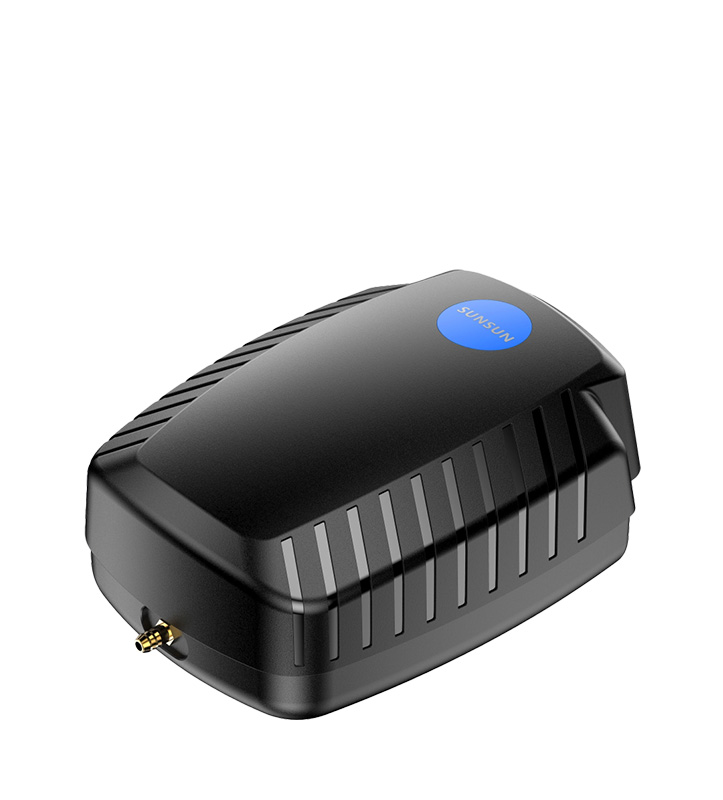 CAP Series Magnetic Vibration Air PumpA rainproof air pump for ponds and outdoor aeration, available in CAP-50 and CAP-120 models with strong output for nano bubble discs.View Product →
Two smaller points save a lot of trouble: fit a sponge over the filter intake so shrimp and fry are not drawn in, and keep a lid on the tank because kuhli loaches and bettas both jump.
Frequently Asked Questions
Are bettas compatible with guppies?
Rarely, and not recommended for beginners. Guppies are bright, fast and prone to nipping at a betta's fins, while a betta will happily chase guppy fry and adult males.
Can two bettas live together?
No for males, in any tank size. Females can be kept as a sorority in 150 litres or more with five or six individuals, heavy planting and constant observation, but the risk of injury stays real.
Do bettas need tank mates?
No. A betta alone in a well-planted 40-litre tank with a snail is a complete, healthy setup; tank mates are for the keeper's interest, not the fish's wellbeing.
How many tank mates suit a 10-gallon tank?
One nerite snail and nothing else. Schooling fish need horizontal swimming space and a group of their own species, and a 40-litre tank cannot supply either without pushing water quality to its limit.

 No. 61-79, Baima Street, Maao Town, Dinghai District, Zhoushan City, Zhejiang Province, China.
 0086 580 8082088 / 8081168
 0086 580 8080978
 songhua@sunsun-china.com